

Vegetable · Organic farm, Bresela
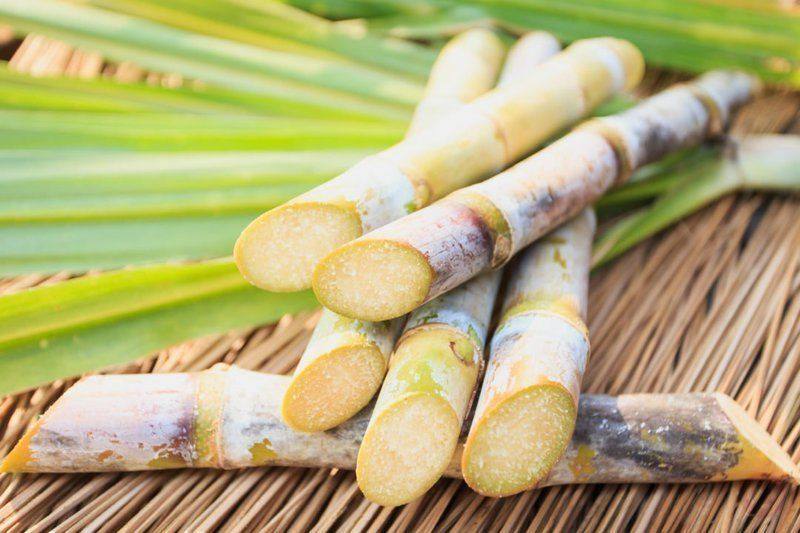
Sugar Cane, Cut Tall from Our Garden
A tall grass with jointed stalks, sweet inside and tough outside, standing two to three metres high.
- English
- Sugar cane
- Indonesian
- Tebu
- Balinese
- Tiwu
- Botanical
- Saccharum officinarum Poaceae
The sugar cane at a glance
- Taste
- Sweet and grassy, with a light, clean sweetness that is less heavy than refined sugar.
- Texture
- Hard, fibrous stalk that is chewed for juice, with a juicy, soft centre.
- How to eat
- Peel the stalk, cut it into pieces and chew the juice out, then spit out the fibre. Or press it for fresh juice.
- In the kitchen
- Chewed as a snack, pressed for juice with ice and a squeeze of lime, and boiled down into cane sugar and syrup.
- Season
- Takes about a year to mature and is cut at the base. New shoots grow from the same roots.
A grass as tall as a person
Saccharum officinarum looks like a giant grass, with thick, jointed canes and long, sharp-edged leaves. The stalks reach two or three metres.
The sweet juice is stored in the pith inside the stalk, and it fills the cane as it matures.
Cutting the cane
Canes are cut at the base with a heavy knife, and the leaves are stripped. What is left is a heavy, jointed pole.
New shoots then grow from the same roots, so one planting gives several harvests.
Chew or press
At roadside stalls, the cane is passed through a press and the juice is poured over ice, often with a squeeze of lime. At home, a piece is peeled, chewed for the juice and the fibre is spat out.
The juice is also boiled down into cane sugar and syrup.
In Balinese ceremonies
Sugar cane, tebu or tiwu, appears among the offerings used in some Balinese ceremonies. Its sweetness stands for good things growing and flourishing.
Sugar cane at Sanggraloka
Sugar cane grows in the garden at Bresela, 25 minutes north of Ubud, in a clump that stands above the beds.
Ask on a garden walk and we can show you the canes.
Taste it on the farm
The Tuesday harvest walk follows the vegetable beds. What is ready changes week to week.

Organic Vegetables
A morning in the vegetable beds to harvest what is ready that week and learn how it is grown.

Farm Taster
A walk through the farm with a goodie bag of herbal drinks, snacks, nuts and cookies, and a guidebook to carry along.

Cooking Class
Three hours that begin with a harvest walk on the farm, then Balinese dishes with our chef. Up to ten guests.
Planning a visit
Come in the morning if you can. The paths are cooler and the leaves still hold dew.
- Who can visit
- Ask us on WhatsApp
- Entry
- Ask us on WhatsApp
- Opening hours
- Ask us on WhatsApp
- Find us
- Jl. Raya Bresela, about 25 minutes north of central Ubud and 63 km from the airport.
- What to bring
- Closed shoes, since the paths are soft after rain, and a hat.
- Booking
- Through the activity booking page, or send your date and number of guests on WhatsApp.
Questions about sugar cane
How do you eat sugar cane?
Peel the hard outer layer, cut the stalk into pieces and chew them for the juice, then spit out the fibre. Cane is also pressed for fresh juice, often served over ice with lime.
How long does sugar cane take to grow?
About a year to mature. After cutting at the base, new shoots grow from the same roots, so a single planting can give several harvests over the following seasons.
Is sugar cane used in Balinese ceremonies?
Yes, among the offerings in some ceremonies, where its sweetness stands for good things growing. Details vary by village and by ritual, so ask a local priest or guide.
A morning in the vegetable garden
Book a farm experience, or send us your date and we will tell you what is ready to pick that week.