

Vegetable · Organic farm, Bresela
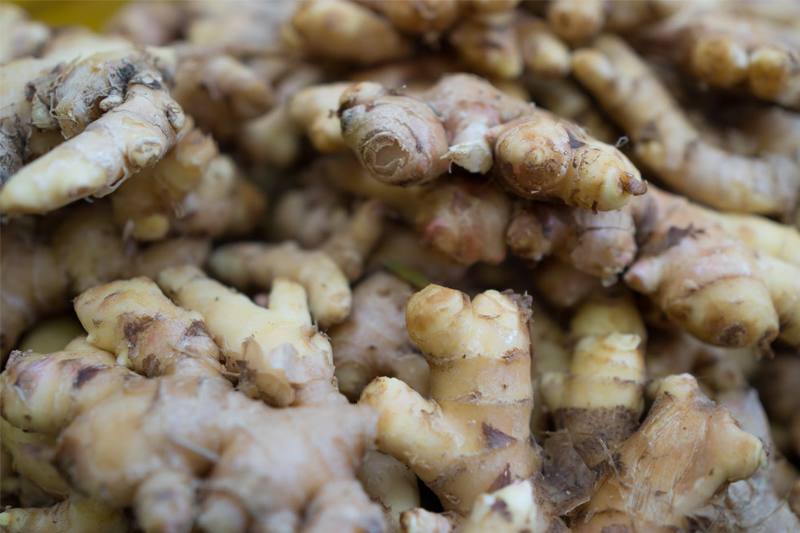
Ginger, Dug Fresh from Our Organic Garden
A knobbed root with a pale gold skin, sharp and warm the moment it is cut.
- English
- Ginger
- Indonesian and Balinese
- Jahe
- Botanical
- Zingiber officinale Zingiberaceae
The ginger at a glance
- Taste
- Warm, peppery and citrusy, with a clean bite that is milder when the root is young.
- Texture
- Firm and juicy, with fine fibres that grow tougher as the root ages.
- How to eat
- Peel or scrub it, then slice, grate or bruise it. Use it in cooking, or steep slices in hot water for tea.
- In the kitchen
- Bruised into soups and broths, ground into spice pastes, stir-fried with greens, or simmered with palm sugar for a hot ginger drink.
- Season
- The rhizome is usually dug 8 to 10 months after planting. Young ginger comes earlier and is milder.
A root that grows in the dark
Ginger is not a root but a rhizome, a thick underground stem that spreads sideways through loose soil. Above ground it sends up tall, narrow leaves, which look a little like a clump of reeds.
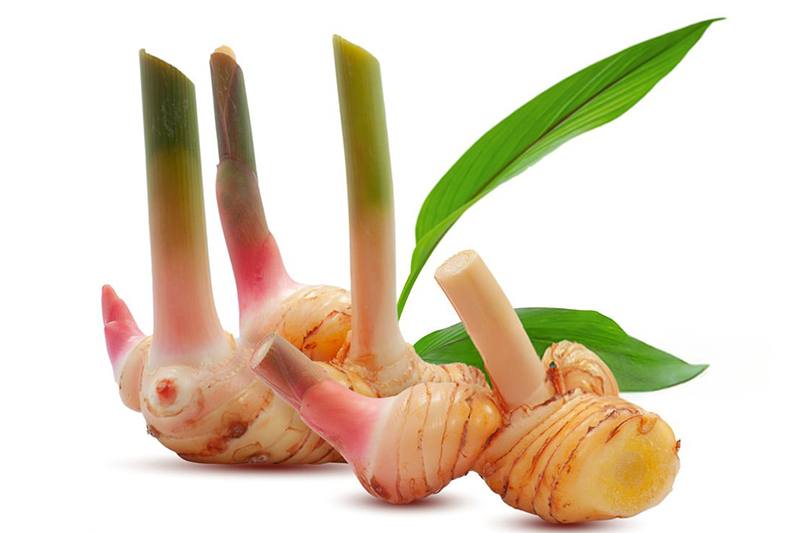
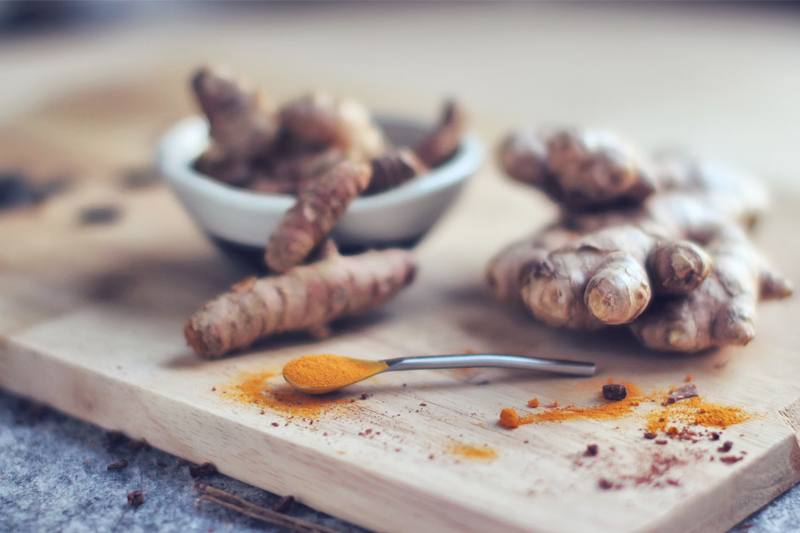
Zingiber officinale is a relative of turmeric and galangal, and in Bali all three are called by names that start with the same soft sound.
Digging it up
The plant is harvested by loosening the soil and lifting the whole clump. The rhizome comes up with its small branches, called fingers, still attached.
Soil is shaken off and the roots are washed. A freshly dug piece smells sharp and clean, and the cut surface is wet.
Young and mature
Young ginger has thin, translucent skin and tender flesh with a mild heat. It can be eaten sliced thin, or pickled.
Mature ginger has tan skin, firmer flesh and a stronger bite. This is the kind that goes into most spice pastes and soups.
In the Balinese kitchen
Jahe goes into base genep, the Balinese spice paste, where it sits with shallot, garlic, turmeric and galangal. A bruised piece also flavours soups and braised dishes.
As a drink, sliced ginger is simmered with palm sugar and a pandan leaf until the water turns amber.
Ginger at Sanggraloka
Ginger grows in the beds of our organic garden at Bresela, 25 minutes north of Ubud.
The kitchen uses it in hot ginger tea and in cooking.
Taste it on the farm
The Tuesday harvest walk follows the vegetable beds. What is ready changes week to week.

Organic Vegetables
A morning in the vegetable beds to harvest what is ready that week and learn how it is grown.

Farm Taster
A walk through the farm with a goodie bag of herbal drinks, snacks, nuts and cookies, and a guidebook to carry along.

Cooking Class
Three hours that begin with a harvest walk on the farm, then Balinese dishes with our chef. Up to ten guests.
Planning a visit
Come in the morning if you can. The paths are cooler and the leaves still hold dew.
- Who can visit
- Ask us on WhatsApp
- Entry
- Ask us on WhatsApp
- Opening hours
- Ask us on WhatsApp
- Find us
- Jl. Raya Bresela, about 25 minutes north of central Ubud and 63 km from the airport.
- What to bring
- Closed shoes, since the paths are soft after rain, and a hat.
- Booking
- Through the activity booking page, or send your date and number of guests on WhatsApp.
Questions about ginger
Is ginger a root?
Strictly it is a rhizome, an underground stem that grows sideways. People call it a root in the kitchen, and it is used the same way: peeled or scrubbed, then sliced, grated or bruised.
How is ginger used in Balinese cooking?
It is ground into base genep, the everyday spice paste, and bruised into soups and braises. It is also simmered with palm sugar and pandan for a hot ginger drink.
What is the difference between young and mature ginger?
Young ginger has thin, pale skin and a mild heat, and can be eaten sliced thin. Mature ginger has tan skin, firmer flesh and a stronger bite, and is used for pastes and soups.
A morning in the vegetable garden
Book a farm experience, or send us your date and we will tell you what is ready to pick that week.