

Fruit · Organic farm, Bresela
Longan, the Dragon's Eye Fruit, in Our Garden
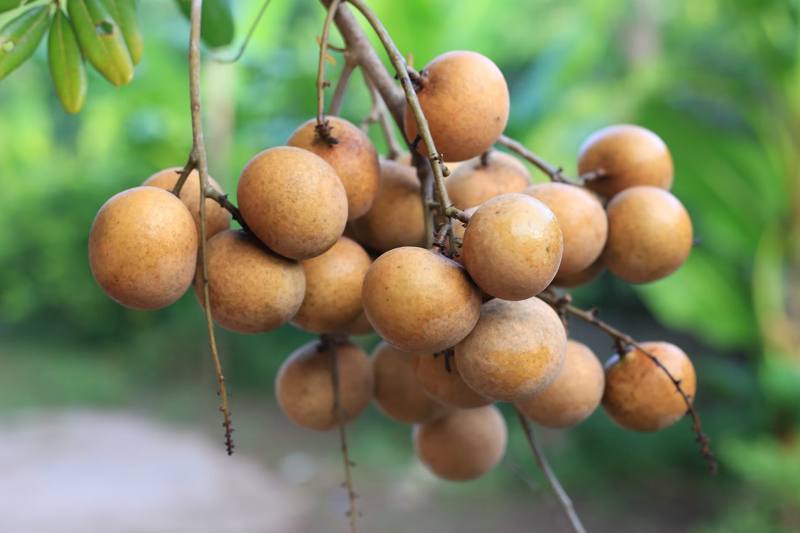
A thin tan shell, clear sweet flesh, and a dark seed that looks back at you.
- English
- Longan
- Indonesian
- Kelengkeng
- Botanical
- Dimocarpus longan Sapindaceae
The longan at a glance
- Taste
- Sweet and fragrant, with a light musky note.
- Texture
- Juicy, translucent and a little firmer than lychee.
- How to eat
- Press the shell with a thumbnail until it cracks, peel it away and eat the flesh around the seed.
- In the kitchen
- Eaten fresh by the handful. Dried longan is common in Chinese-Indonesian sweet soups and teas.
- Season
- Varies by variety; some Indonesian varieties fruit more than once a year.
Why it is called the dragon's eye
Longan comes from the Chinese long yan, dragon's eye. Peel one and you see why: clear flesh around a glossy dark seed with a pale spot, like a pupil.
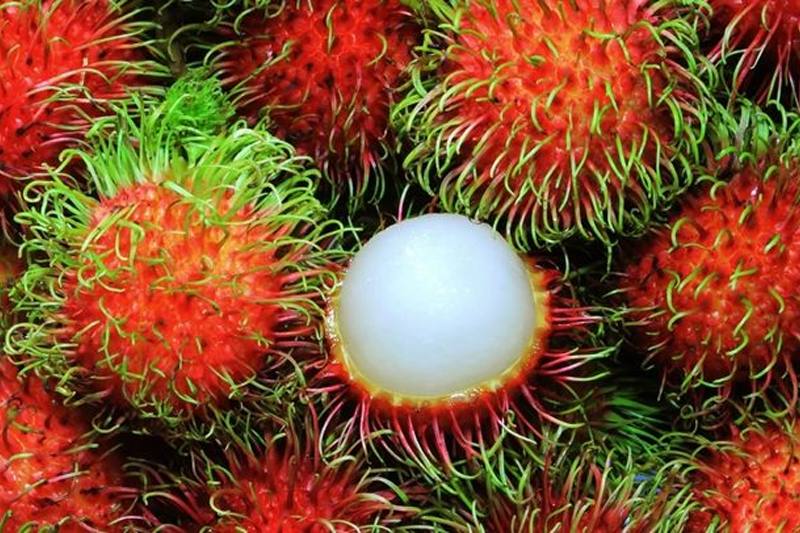
In Indonesia it is called kelengkeng. It is a cousin of the lychee and the rambutan, and shares their habit of growing in bunches.
How to eat one
Hold the fruit between finger and thumb and press until the thin shell cracks. Peel it away and eat the flesh, leaving the seed.
Children like longan because the fruit is small and the shell opens without a knife. A bowl of them empties quickly.
Taste and texture
The flesh is sweet and fragrant with a soft musky finish. It is juicier than it looks and a little firmer than lychee.
Dried, the flesh turns dark and chewy and tastes of honey and smoke. In that form it goes into sweet soups and teas in Chinese-Indonesian kitchens.
Eaten cold from a bowl of ice, longan is a quiet afternoon fruit. The shells pile up on the table faster than you expect.
On the tree
Longan trees are evergreen, with leathery leaves and clusters of small pale flowers that bees visit. The fruit hangs in loose bunches and turns tan as it ripens.
Several varieties grown in Indonesia were selected to fruit in the lowlands, and some fruit more than once a year.
Birds and bats like the fruit as much as people do, so growers in Indonesia often net the trees or bag the bunches as they ripen.
Longan at Sanggraloka
Longan is one of the fruit trees in our organic garden at Bresela, 25 minutes north of Ubud. The farm guide lists it with the rambutan nearby.
Ask us when you book and we will tell you whether the bunches are ready.
Taste it on the farm
The Thursday harvest walk follows the fruit trees. What is ripe changes week to week.

Organic Fruits
A morning walk through the fruit trees to harvest what is ripe that week and taste it fresh.

Farm Taster
A walk through the farm with a goodie bag of herbal drinks, snacks, nuts and cookies, and a guidebook to carry along.

Cooking Class
Three hours that begin with a harvest walk on the farm, then Balinese dishes with our chef. Up to ten guests.
Planning a visit
Come in the morning if you can. The paths are cooler and the leaves still hold dew.
- Who can visit
- Ask us on WhatsApp
- Entry
- Ask us on WhatsApp
- Opening hours
- Ask us on WhatsApp
- Find us
- Jl. Raya Bresela, about 25 minutes north of central Ubud and 63 km from the airport.
- What to bring
- Closed shoes, since the paths are soft after rain, and a hat.
- Booking
- Through the activity booking page, or send your date and number of guests on WhatsApp.

Questions about longan
Why is longan called dragon's eye?
Longan comes from the Chinese long yan, meaning dragon's eye. When the thin shell is peeled, the clear flesh and the dark, glossy seed with a pale spot look like an eye looking back.
Is longan the same as lychee?
No. Longan and lychee are cousins in the same plant family. Longan has a smooth tan shell and a muskier, honeyed sweetness; lychee has a red, bumpy shell and a more floral taste.
When does longan ripen in Bali?
It depends on the variety, and some varieties grown in Indonesia fruit more than once a year. Ask us when you book and we will tell you whether the trees in our garden are fruiting.
A morning among the fruit trees
Book a farm experience, or send us your date and we will tell you what is ripe that week.