The Atlas Moth is a moth, not a butterfly, and one of the largest in the world by wingspan. Its wings can span 25 to 30 cm. It flies at night, and the adult has no working mouth, so it lives on what the caterpillar ate.
No working mouth. Lives one to two weeks, and flies at night.
Recognising the Atlas Moth
The huge wings are patterned in reddish brown, tan and cream, and they carry clear, translucent triangular windows.
The tip of each forewing looks remarkably like a snake's head, with an eye and a mouth. It is a clever defence that gives a predator a moment's pause.
The female is larger and heavier. The male has broader, feathery antennae, which he uses to follow her scent.
Nothing else in the garden compares in size. The wings can cover the span of a dinner plate.
Caterpillar and cocoon
Unlike a butterfly, a moth such as the Atlas spins a silk cocoon. The caterpillar is large and pale green, and it feeds on the leaves of many kinds of tree, among them citrus, cinnamon and avocado.
All the energy it will ever need comes from that stage. The adult lives off the reserves the caterpillar built.
Despite its size, the adult lives only one to two weeks. It lacks functional mouthparts and does not eat or drink.
It flies at night. The female releases a scent, the male follows it, and the next generation begins with eggs on a leaf.
If you find one
If you find an Atlas Moth, keep your distance and keep still. It rests with its wings flat and does not feed, so it has little energy to spare. Please do not touch it or move it.
A torch can draw it away from where it is resting. A photograph from a few steps away is enough, taken without flash.
Tell a member of staff where you found it. We would like to know, because a record of where the moths rest tells us about the trees they came from.
Where to look at Sanggraloka
The Atlas Moth is a rare sight, and a nocturnal one. It is not part of the daytime walk. If you stay with us, look at the walls near the lights at first light, where a moth that has finished its night may rest.
We cannot promise it, and it should never be disturbed. It is wild, and it has very little time.
The best chance is simply to be attentive near the lights of the property in the early morning. We will not move one for a better photograph.
Questions about the Atlas Moth
Is the Atlas Moth a butterfly?
No, it is a moth, of the family Saturniidae. It flies at night, spins a silk cocoon, and the adult rests with its wings spread flat.
Does the Atlas Moth eat?
The adult does not. It has no functional mouthparts and lives for one to two weeks on the energy stored by the caterpillar, which is why the caterpillar eats so much.
Can I see an Atlas Moth at Sanggraloka?
It is a rare sight, and it flies at night, so it is not part of the daytime walk. We cannot promise one. If you meet one, please leave it where it is.


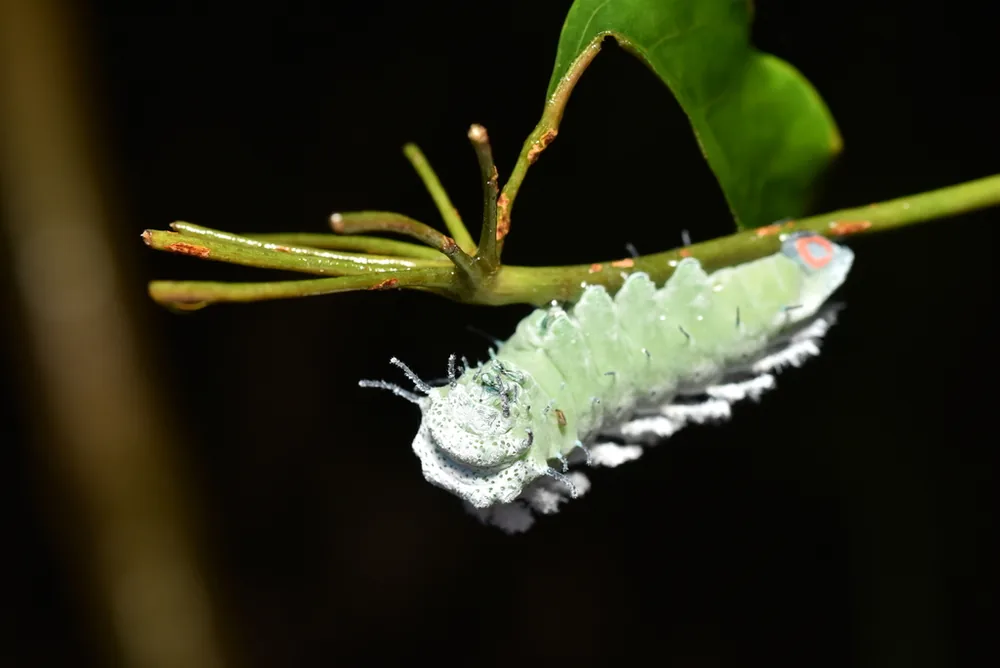 Caterpillar
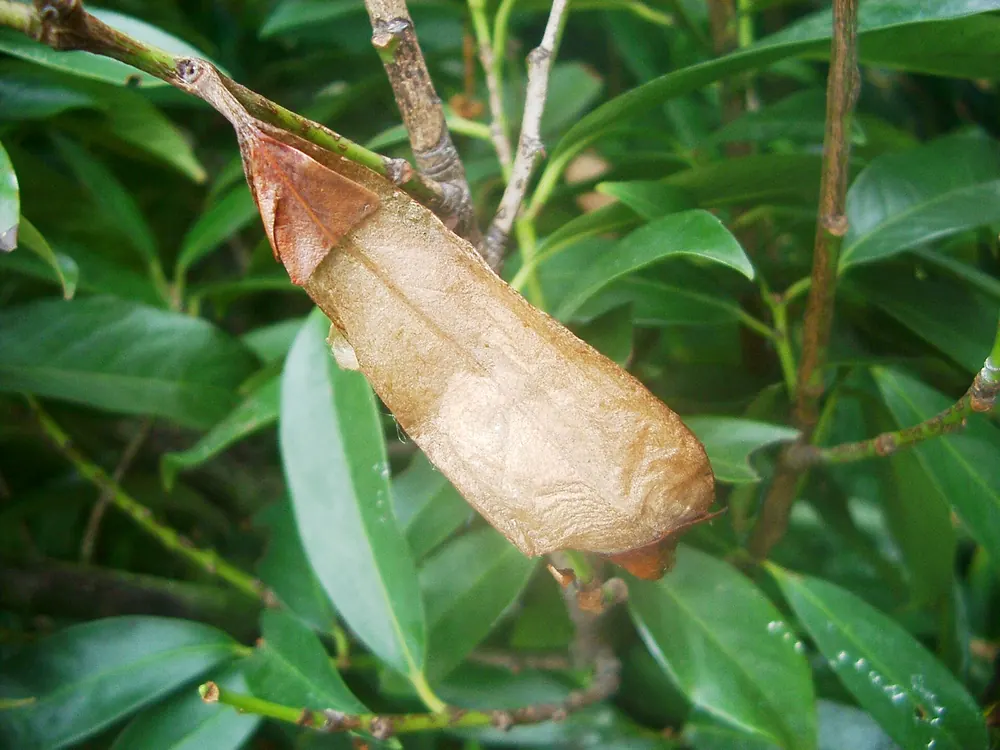 Cocoon
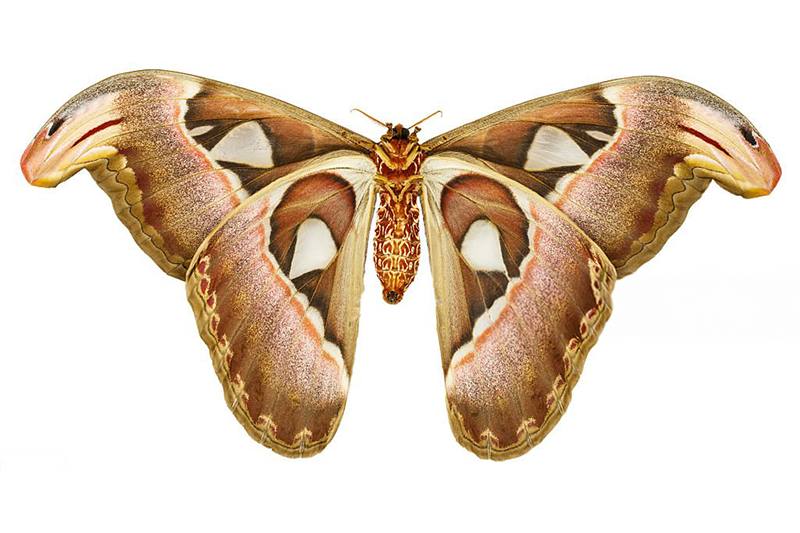 Adult moth

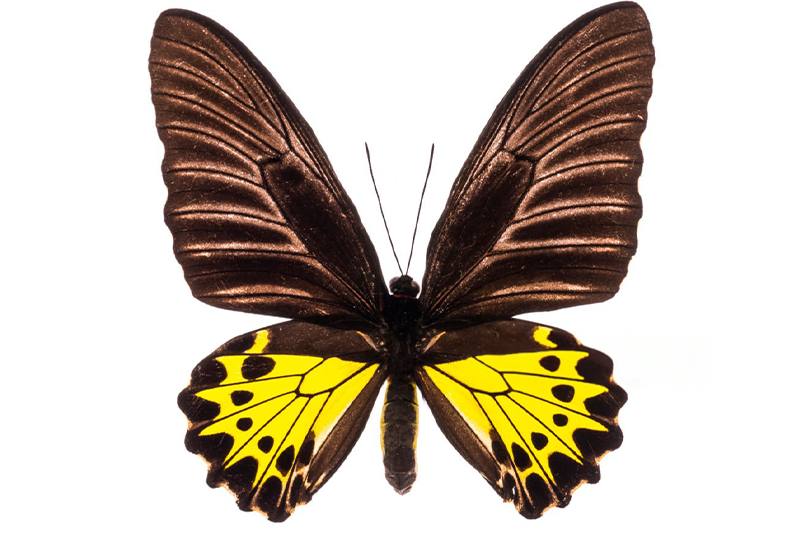 Swallowtails
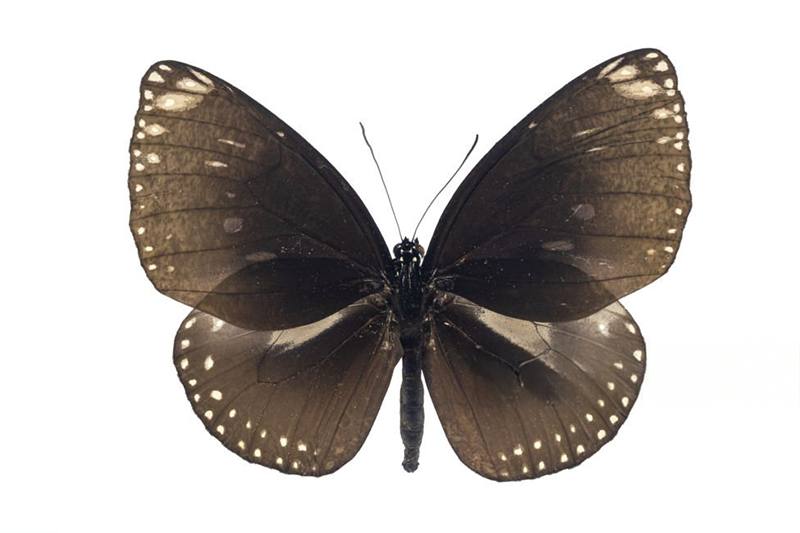 Brush-footed
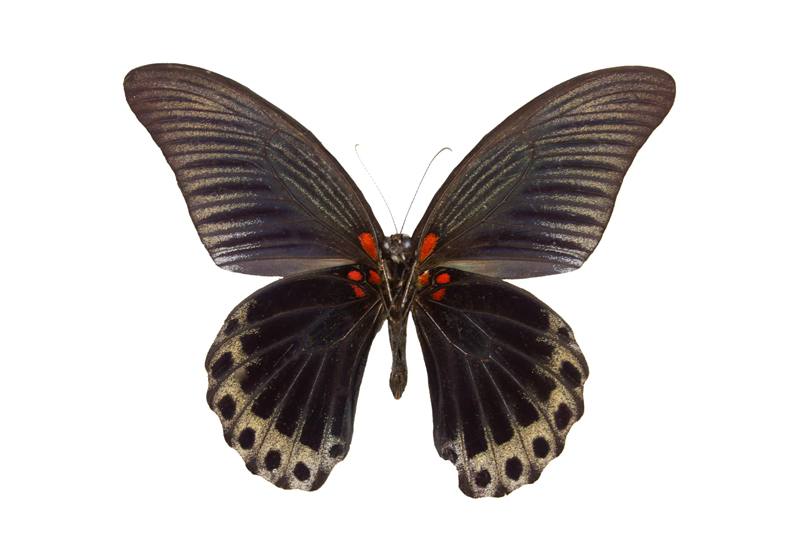 Swallowtails