

Vegetable · Organic farm, Bresela
Suji Leaves, the Deep Green Behind Balinese Sweets
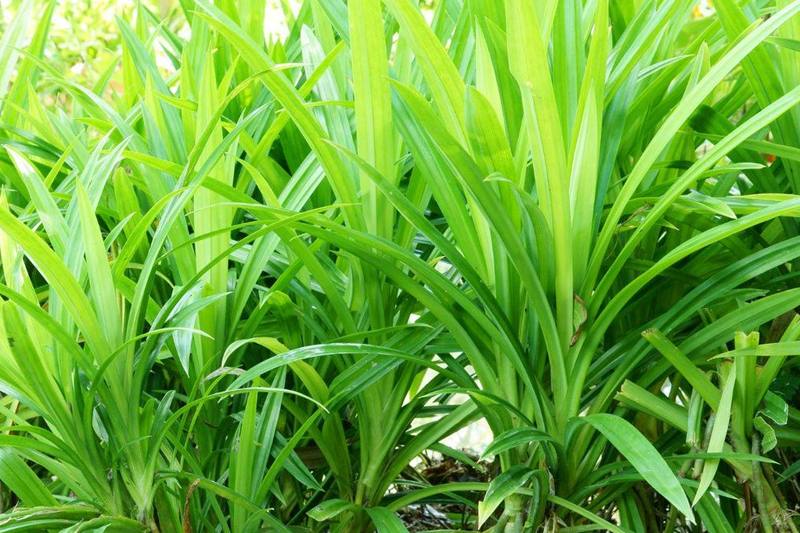
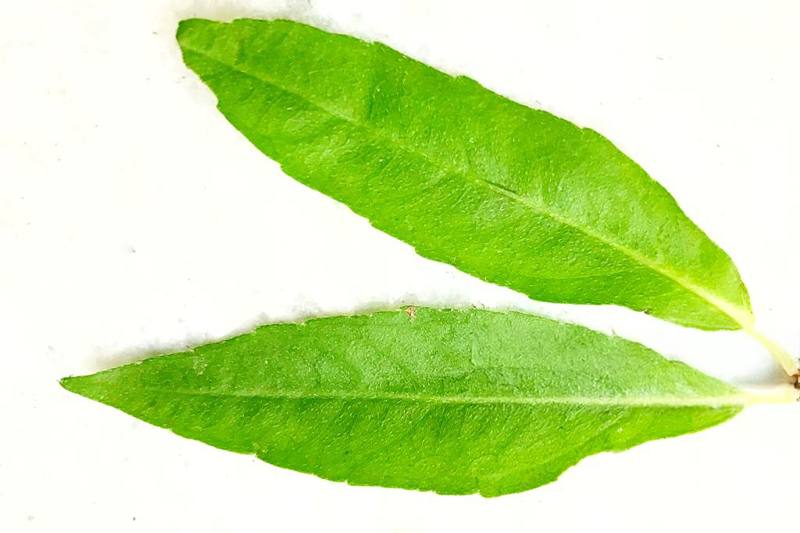
Glossy, lance-shaped leaves, pounded and squeezed to give klepon its deep green.
- English
- Suji leaves
- Indonesian and Balinese
- Daun suji
- Botanical
- Dracaena angustifolia Asparagaceae
The suji leaves at a glance
- Taste
- Faintly grassy and nearly neutral. It is used for colour, not for flavour.
- Texture
- Firm, narrow leaves that are not eaten. Only the juice is used.
- How to eat
- Pound the leaves with a little water, strain the dark green juice and mix it into batter or dough.
- In the kitchen
- Mixed into the skin of klepon and dadar gulung, and into other rice flour sweets, often with pandan for scent.
- Season
- Grows all year in warm, shaded ground. Leaves are picked as needed from established plants.
A shrub for colour
Suji is Dracaena angustifolia, a shrubby plant with glossy, lance-shaped leaves on upright stems. It looks like a relative of the corn plant, and it belongs to the same genus.
Its job in the kitchen is colour. It gives almost no flavour of its own.
Pounded and squeezed
A handful of leaves is torn up and pounded with a splash of water. The mash is squeezed through a cloth, and what comes out is a dark, rich green juice.
The juice is stirred straight into rice flour dough or batter.
Suji and pandan
Pandan carries the scent and suji carries the colour, so cooks often use the two together. Pandan alone gives a paler, more yellow-green.
A little suji juice is enough to turn a whole batch of dough deep green.
In the Balinese kitchen
Suji colours klepon, small glutinous rice balls with a palm sugar centre, rolled in grated coconut. It also colours the thin skin of dadar gulung, a rolled pancake with coconut filling.
Both are sold at morning markets and are often made for ceremonies.
Suji at Sanggraloka
Suji grows in the organic garden at Bresela, 25 minutes north of Ubud.
It is the colour in our traditional sweets.
Taste it on the farm
The Tuesday harvest walk follows the vegetable beds. What is ready changes week to week.

Organic Vegetables
A morning in the vegetable beds to harvest what is ready that week and learn how it is grown.

Farm Taster
A walk through the farm with a goodie bag of herbal drinks, snacks, nuts and cookies, and a guidebook to carry along.

Cooking Class
Three hours that begin with a harvest walk on the farm, then Balinese dishes with our chef. Up to ten guests.
Planning a visit
Come in the morning if you can. The paths are cooler and the leaves still hold dew.
- Who can visit
- Ask us on WhatsApp
- Entry
- Ask us on WhatsApp
- Opening hours
- Ask us on WhatsApp
- Find us
- Jl. Raya Bresela, about 25 minutes north of central Ubud and 63 km from the airport.
- What to bring
- Closed shoes, since the paths are soft after rain, and a hat.
- Booking
- Through the activity booking page, or send your date and number of guests on WhatsApp.


Questions about suji leaves
What is suji leaf used for?
For colour. The leaves are pounded with water and squeezed into a dark green juice that is mixed into rice flour dough or batter. The flavour is almost neutral.
What is the difference between suji and pandan?
Pandan carries scent and suji carries colour. Cooks often use them together, so a sweet has both the pandan aroma and the deep green of suji.
Which Balinese sweets use suji?
Klepon, the glutinous rice balls with palm sugar centres, and dadar gulung, the rolled pancake with coconut filling. Both get their green skin from suji juice.
A morning in the vegetable garden
Book a farm experience, or send us your date and we will tell you what is ready to pick that week.