


Vegetable · Organic farm, Bresela
Kencur, Aromatic Ginger from Our Organic Garden
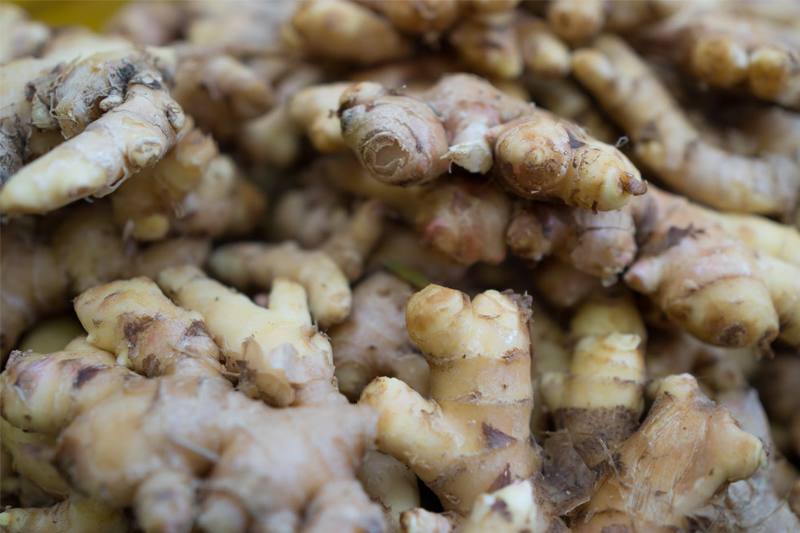
A small pale rhizome with a sharp, camphor-like scent and a peppery bite.
- English
- Aromatic ginger (kencur)
- Indonesian
- Kencur
- Balinese
- Cekuh
- Botanical
- Kaempferia galanga Zingiberaceae
The aromatic ginger at a glance
- Taste
- Sharp and peppery, with a camphor-like note and a hint of fresh mango skin and pine.
- Texture
- Crisp and juicy when fresh, finely grained, becoming fibrous as it ages.
- How to eat
- Scrub it, slice off the amount you need and grind or grate it into pastes. It is rarely eaten raw in large pieces because the flavour is strong.
- In the kitchen
- Ground into spice pastes, sambal and marinades, and the key flavour of beras kencur, a sweet herbal drink.
- Season
- Rhizomes are dug at the end of the growing cycle, mostly in the dry months.
A small root with a loud scent
Kencur looks modest. The rhizome is small, pale brown outside and cream inside, and it grows in clusters just under the soil.
The scent gives it away. Break one open and you get a sharp, clean aroma, quite unlike common ginger.
Not the ginger you know
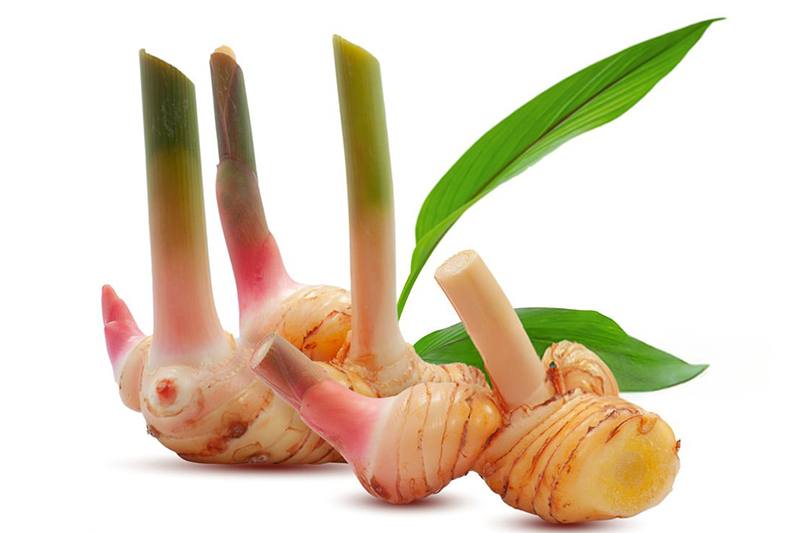
The farm guide lists it as aromatic ginger, but its botanical name is Kaempferia galanga. It is a different plant from Zingiber officinale, the everyday ginger.
In English it is also called sand ginger. True galangal is a separate plant again.
On the plant
The plant stays low to the ground. Two or three broad leaves lie nearly flat on the soil, and small white flowers with a purple spot open briefly in the morning.
The part worth digging is underground, which is why it is easy to walk past.
In Balinese cooking
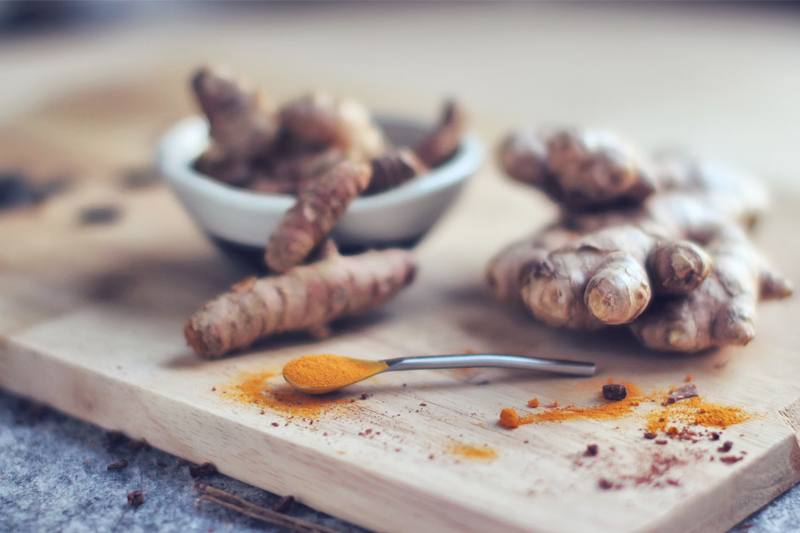
Kencur goes into bumbu, the spice pastes behind many Balinese dishes, and into sambal and marinades. It adds a sharp top note that turmeric and galangal do not give.
It is also the key to beras kencur, a cold sweet drink made from rice and kencur, sold in bottles across Indonesia.
Kencur at Sanggraloka
Kencur grows in our organic garden at Bresela, 25 minutes north of Ubud.
Ask us when you book and we will tell you whether any is ready to dig.
Taste it on the farm
The Tuesday harvest walk follows the vegetable beds. What is ready changes week to week.

Organic Vegetables
A morning in the vegetable beds to harvest what is ready that week and learn how it is grown.

Farm Taster
A walk through the farm with a goodie bag of herbal drinks, snacks, nuts and cookies, and a guidebook to carry along.

Cooking Class
Three hours that begin with a harvest walk on the farm, then Balinese dishes with our chef. Up to ten guests.
Planning a visit
Come in the morning if you can. The paths are cooler and the leaves still hold dew.
- Who can visit
- Ask us on WhatsApp
- Entry
- Ask us on WhatsApp
- Opening hours
- Ask us on WhatsApp
- Find us
- Jl. Raya Bresela, about 25 minutes north of central Ubud and 63 km from the airport.
- What to bring
- Closed shoes, since the paths are soft after rain, and a hat.
- Booking
- Through the activity booking page, or send your date and number of guests on WhatsApp.
Questions about aromatic ginger
Is aromatic ginger the same as ginger?
No. Aromatic ginger is kencur, Kaempferia galanga, a different plant from common ginger. The rhizome is smaller and paler, and the flavour is sharper, more peppery and closer to camphor.
What does kencur taste like?
Sharp, peppery and aromatic, with a hint of camphor and pine. A little goes a long way, which is why it is ground into pastes and sambal rather than eaten in pieces.
How is kencur used in Bali?
It is ground into spice pastes and sambal, added to marinades and rice dishes, and used to make beras kencur, a chilled sweet drink of rice and kencur.
A morning in the vegetable garden
Book a farm experience, or send us your date and we will tell you what is ready to pick that week.