

Field card · Butterfly Conservatorium at Sanggraloka
Delicate Psyche (Leptosia nina)
Also called the Psyche
Fluttering gently through a sunlit clearing, like a drifting petal, is the Delicate Psyche. It is a small butterfly, mostly white. It flies slowly and close to the ground, which makes it one of the easier species to watch.
The plant comes first
The life of the Delicate Psyche
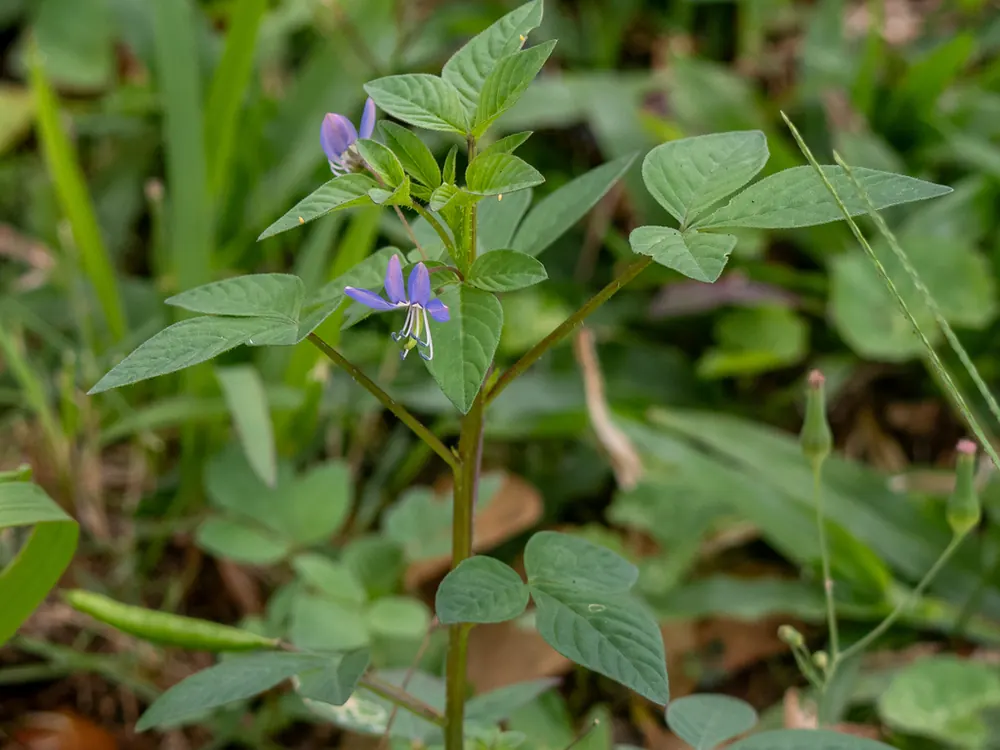 Host plant
Caper family (Capparaceae), such as Cleome
Photographed in Indonesia. Piotr Lukasik, iNaturalist, CC BY 4.0
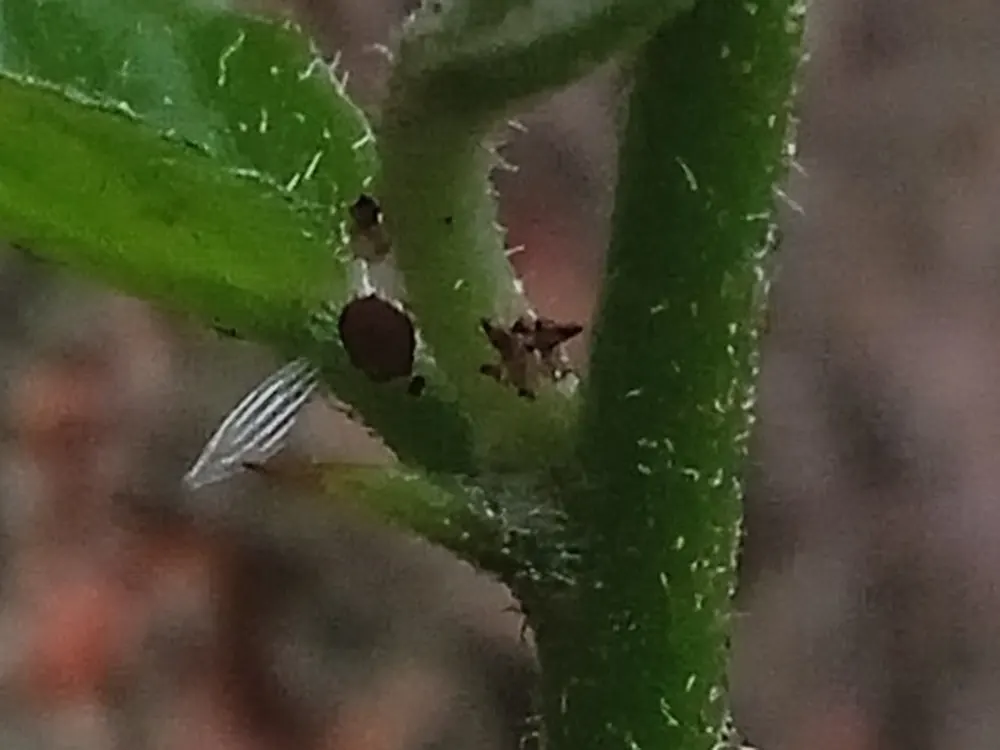 Egg
Laid on Cleome and other caper family plants.
Photographed in India. Chinmay Bhoyar, iNaturalist, CC BY 4.0
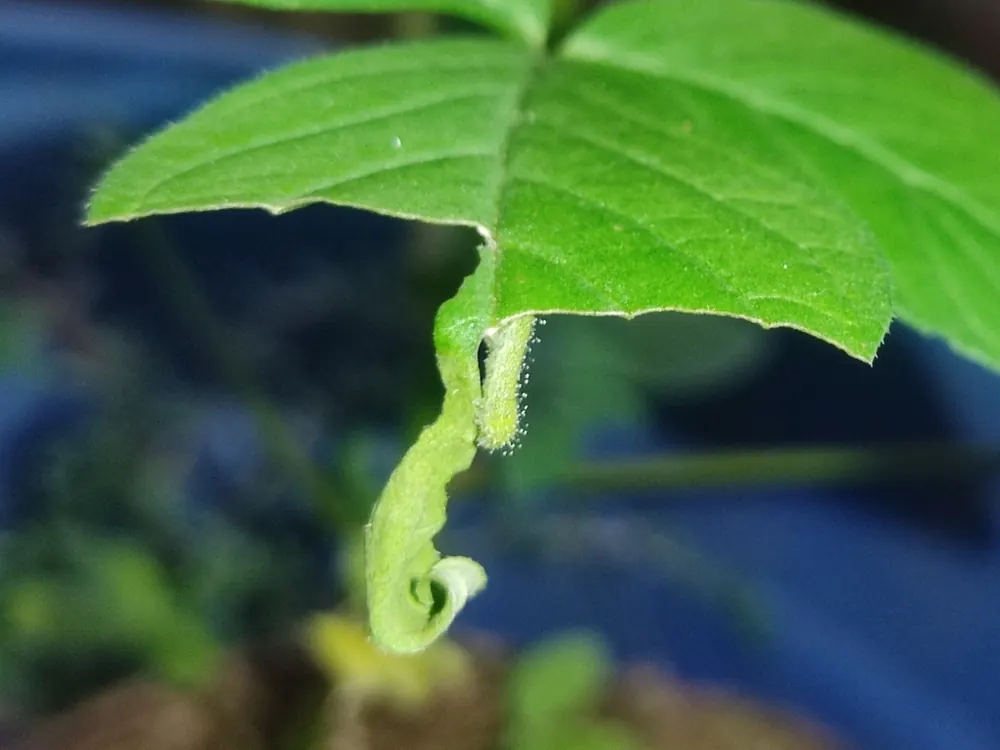
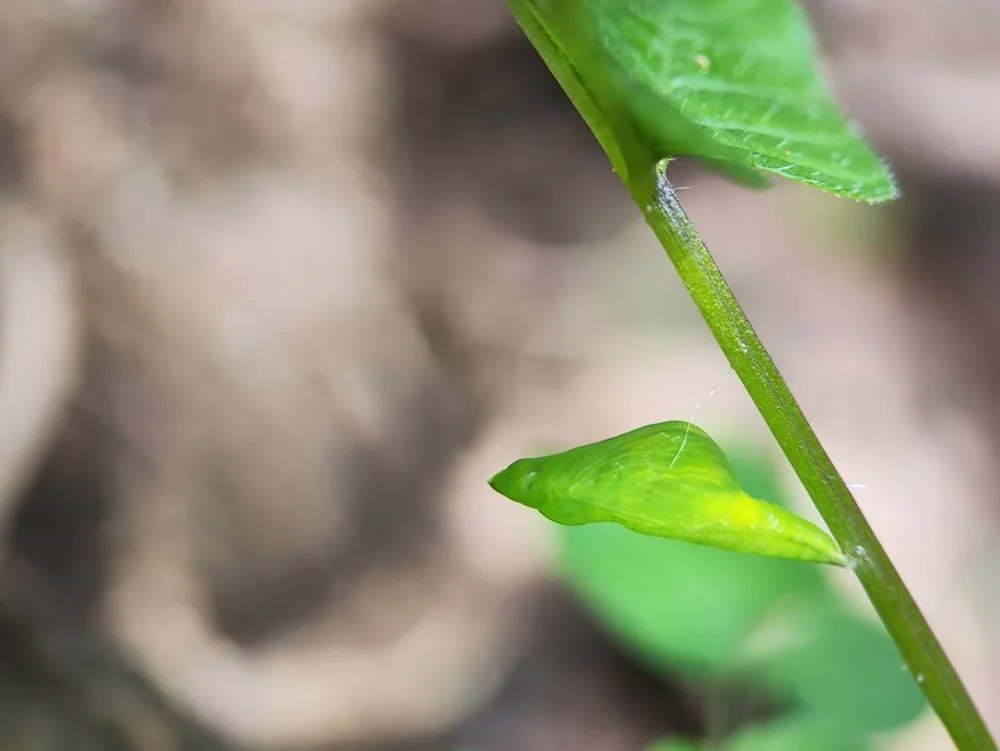 Chrysalis
A slim chrysalis, held upright by a silk girdle.
Photographed in India. Ashwin A, iNaturalist, CC BY 4.0
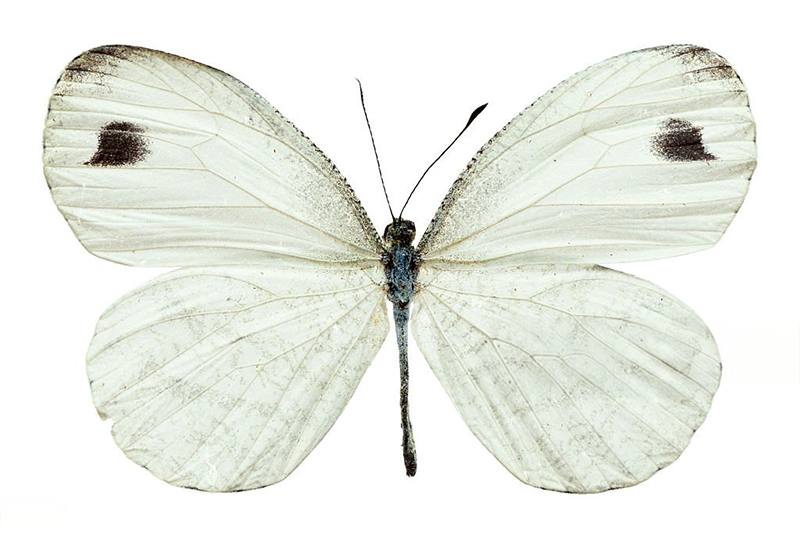 Adult butterfly
Small and white, with black wingtips. A low, bobbing flier.
Recognising the Delicate Psyche
The Psyche is predominantly white, with distinctive black markings near the tips of the forewings. Sometimes there is a faint greenish or yellowish wash on the underside of the hindwings.
It is small, and it can be mistaken at first for a drifting scrap of paper.
Size is a clue. With a wingspan of only 4 to 5 cm, it is one of the smallest butterflies in the garden, and nothing else here is so small and so white.
Caper family plants
The Psyche thrives where its host plants grow. Its caterpillars feed on plants of the Capparaceae family, such as Cleome species.
These plants appear in disturbed ground and along the edges of the garden, which is exactly where the butterfly spends its time.
Cleome is a common plant of disturbed ground, with spidery flowers and long seed pods. It grows where the soil has been turned over, which is why the butterfly follows paths and clearings.
How it lives
What sets the Psyche apart is its flight. It flies slowly, weakly and close to the ground, and it often seems to bob up and down among the low plants.
That unhurried movement makes it easy to observe, and it adds to the quiet of the place.
A small butterfly worth slowing down for
The Delicate Psyche is easy to overlook, and that is its charm. It is small, pale and low, and it does not hurry. If you walk fast, you will miss it.
The first thing to notice is the way it moves. It bobs, drops, rises a little and drops again, always close to the plants, as if it were examining them. A female looking for a host plant often is.
The black marks at the wingtips are the second thing. They show clearly against the white, even from a distance, once you know to look. Then the rest of the butterfly follows.
Where to look at Sanggraloka
Look low, in the sunlit clearings and along the garden's edges, where weedy plants grow. A slow walk gives you time to see it.
We cannot promise the Delicate Psyche on a visit. It is wild, and it is small enough to be missed. Stop often, and look down.
Walk the sunny clearings slowly and look down. A small white shape bobbing above the weeds is likely this one, and it will often let you follow it for a minute.
Questions about the Delicate Psyche
How big is the Delicate Psyche?
It is small, with a wingspan of about 4 to 5 cm. Its white wings and slow, bobbing flight make it easy to follow once you have seen it.
What does the Delicate Psyche eat?
The caterpillars eat plants of the caper family, such as Cleome. The adults take nectar from small, low flowers. Both stages are found close to the ground, at the sunny edges of the garden.
Where is it most often seen?
Close to the ground, in sunlit clearings and at the edges of gardens, wherever its host plants grow. A slow walk with frequent stops, looking down, gives you the best chance of seeing one.
Visiting the conservatorium
- Not staying with us?
- Ask us on WhatsApp
- Ticket
- Ask us on WhatsApp
- Opening hours
- Open daily. Ask us on WhatsApp
- How long
- Ask us on WhatsApp
Related species
Same family or the same host plant.
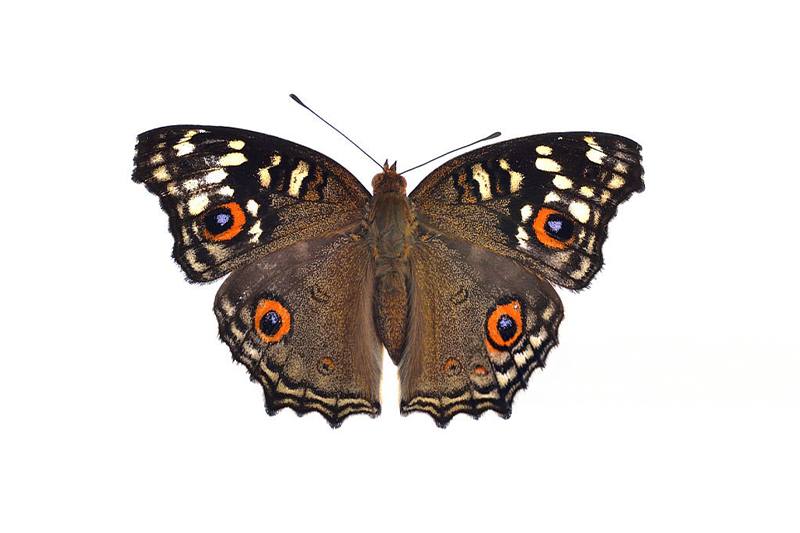 Brush-footed
Argus Ring
Ypthima argus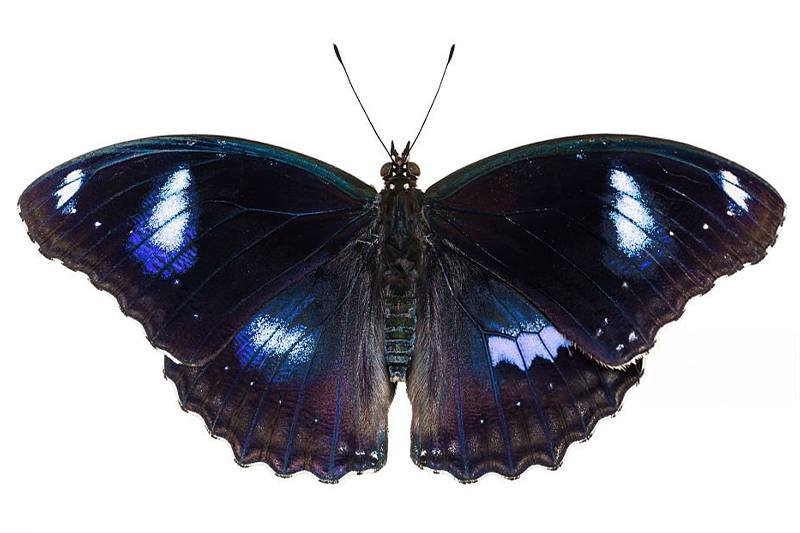 Brush-footed
Great Eggfly
Hypolimnas bolina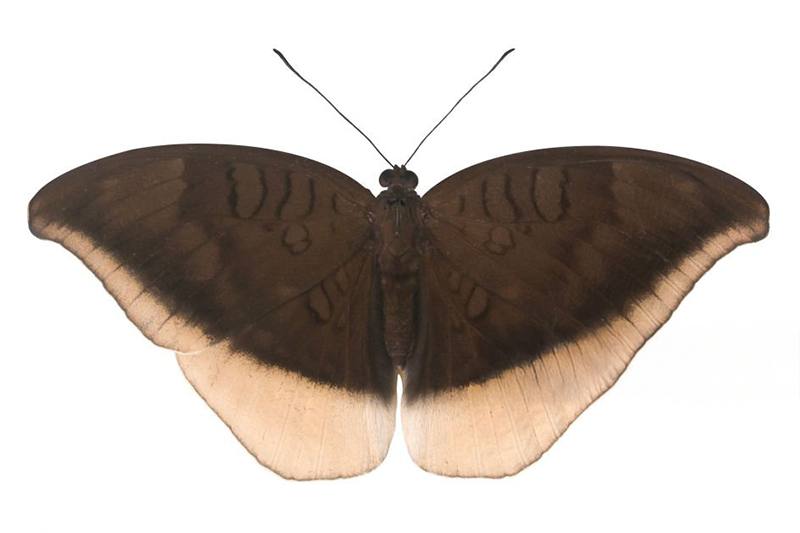 Brush-footed
Common Palmfly
Elymnias hypermnestra
See the conservatorium yourself
The Butterfly Conservatorium is open daily at Sanggraloka, Bresela. Walk slowly with a guide and see who visits the garden today.