

Vegetable · Organic farm, Bresela
Lemongrass, Cut Fresh from Our Organic Garden
Tall grass that smells of lemon the moment a blade is bent or a stalk is cut.
- English
- Lemongrass
- Indonesian
- Sereh
- Balinese
- Sere
- Botanical
- Cymbopogon citratus Poaceae
The lemongrass at a glance
- Taste
- Bright and lemony, with a floral, slightly gingery note and no real sourness.
- Texture
- The lower stalk is firm and fibrous. Only the tender inner core is chopped or sliced to eat.
- How to eat
- Bruise the stalk and cook it whole, then lift it out. Or slice the tender core very thin and eat it raw in sambal.
- In the kitchen
- In sambal matah, in base genep spice paste, in soups and curries, wrapped into sate lilit, and steeped in hot water for tea.
- Season
- Grows all year in warm, sunny ground. Stalks are cut once the clump is thick.
A grass that smells of lemon
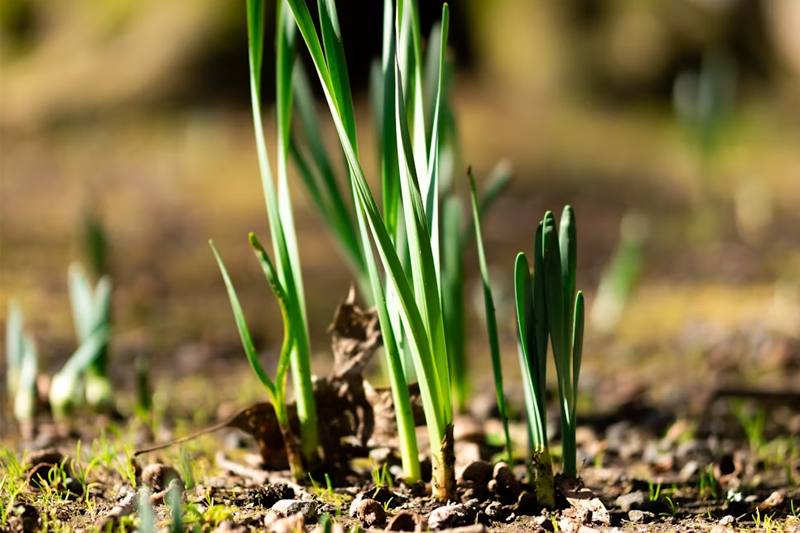
Lemongrass looks like a clump of tall, arching grass with sharp-edged blades. Rub a leaf between your fingers and the lemon scent is immediate.
The botanical name is Cymbopogon citratus. The part used in the kitchen is the pale, swollen base of the stalk.
Cutting a stalk
A stalk is cut close to the ground, then trimmed of its dry outer leaves. What remains is a pale, firm shaft about the length of a hand.
The clump grows back from the roots, so one plant can be cut again and again.
How it is used
In soups and curries, the stalk is bruised with the back of a knife and cooked whole, then taken out before serving. It gives scent without making the dish sour.
For raw dishes, only the soft inner core is sliced, very thin.
In the Balinese kitchen
Thinly sliced sere is a key part of sambal matah, the raw relish of shallot, chili, lime and coconut oil. It is also ground into base genep.
Minced fish for sate lilit is often wound around a bruised lemongrass stalk and grilled. As a drink, sliced stalks are simply steeped in hot water.
Lemongrass at Sanggraloka
Lemongrass grows in clumps in our organic garden at Bresela, 25 minutes north of Ubud.
The kitchen cooks with it daily.
Taste it on the farm
The Tuesday harvest walk follows the vegetable beds. What is ready changes week to week.

Organic Vegetables
A morning in the vegetable beds to harvest what is ready that week and learn how it is grown.

Farm Taster
A walk through the farm with a goodie bag of herbal drinks, snacks, nuts and cookies, and a guidebook to carry along.

Cooking Class
Three hours that begin with a harvest walk on the farm, then Balinese dishes with our chef. Up to ten guests.
Planning a visit
Come in the morning if you can. The paths are cooler and the leaves still hold dew.
- Who can visit
- Ask us on WhatsApp
- Entry
- Ask us on WhatsApp
- Opening hours
- Ask us on WhatsApp
- Find us
- Jl. Raya Bresela, about 25 minutes north of central Ubud and 63 km from the airport.
- What to bring
- Closed shoes, since the paths are soft after rain, and a hat.
- Booking
- Through the activity booking page, or send your date and number of guests on WhatsApp.

Questions about lemongrass
Which part of lemongrass do you eat?
Mostly the pale lower stalk. Bruise it and cook it whole in soups and curries, then remove it. For raw dishes like sambal matah, only the tender inner core is sliced very thin.
How is lemongrass used in Bali?
It is sliced into sambal matah, ground into base genep spice paste, bruised into soups and curries, and used as a skewer for sate lilit. It is also steeped in hot water as tea.
Does lemongrass taste sour?
No. It smells and tastes of lemon, but it has no real acidity. The flavour is bright and floral with a slight ginger note, so it adds scent without making a dish sour.
A morning in the vegetable garden
Book a farm experience, or send us your date and we will tell you what is ready to pick that week.