

Vegetable · Organic farm, Bresela
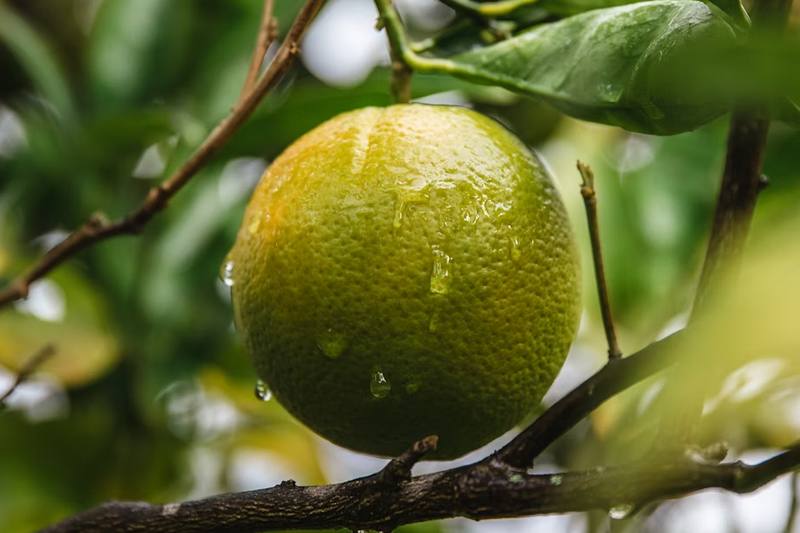
Lime, Picked Green from Our Organic Garden
Small green fruit with thin skin, sharp juice and a fragrance that lingers on your fingers.
- English
- Lime
- Indonesian
- Jeruk nipis
- Balinese
- Juuk
- Botanical
- Citrus aurantiifolia Rutaceae
The lime at a glance
- Taste
- Sharply sour with a clean bitter edge and a fragrant, floral peel.
- Texture
- Thin skin, very juicy flesh, and small seeds.
- How to eat
- Roll the fruit on a board, halve it and squeeze it over food or into a drink. The zest can be grated fine.
- In the kitchen
- Squeezed over sambal, grilled fish and soups, mixed into plecing, and pressed into cold lime juice with palm sugar.
- Season
- Fruits through much of the year, with the heaviest crop after the rains.
A small, sharp fruit
Citrus aurantiifolia is the lime of Southeast Asia, called jeruk nipis in Indonesian. It is smaller than the Persian lime sold in supermarkets, with thinner skin and more fragrant juice.
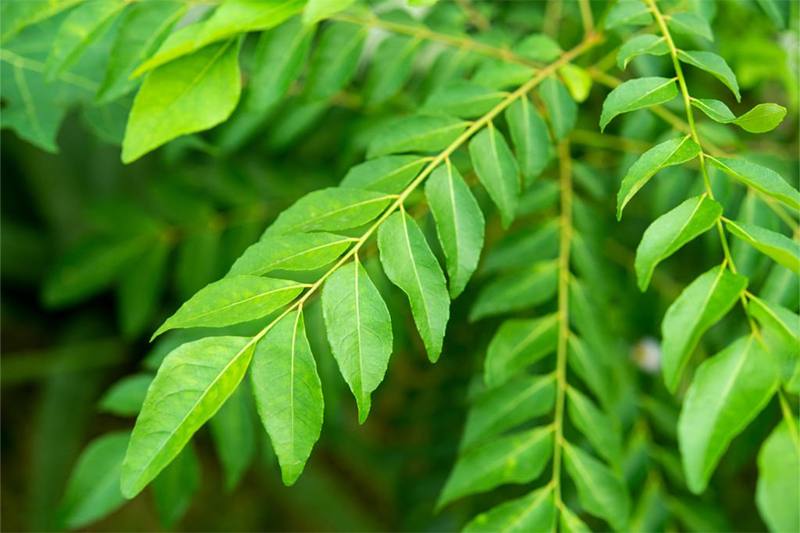
The tree is low and thorny, with glossy leaves that smell of citrus when crushed.
Green or yellow
Most limes are picked while they are still green, when the juice is at its sharpest. Left on the tree, the skin turns pale yellow and the juice becomes softer.
White blossom opens through the year, so flowers and fruit often hang on the same branch.
In the Balinese kitchen
A squeeze of lime finishes almost everything: sambal matah, sambal tomat, grilled fish, and soups. Plecing, the Lombok dish of blanched greens under sambal, is nearly always served with it.
As a drink, the juice is pressed with water, palm sugar and ice, and drunk cold.
A tree for butterflies
Several swallowtails lay their eggs on citrus leaves, and their caterpillars feed there. Lime is one of the host plants for the Lime Butterfly, the Great Mormon and the Common Mormon.
You may see them circling the trees on a sunny morning.
Lime at Sanggraloka
Lime trees grow in our organic garden at Bresela, 25 minutes north of Ubud.
Ask us when you book and we will tell you whether fruit is on the trees that week.
Host plant
A lime for the butterflies
Lime is a host plant: butterflies lay eggs on it, and the caterpillars feed on its leaves. We grow it for the kitchen and leave room for them.
Visit the butterfly sanctuaryOpen daily
Taste it on the farm
The Tuesday harvest walk follows the vegetable beds. What is ready changes week to week.

Organic Vegetables
A morning in the vegetable beds to harvest what is ready that week and learn how it is grown.

Farm Taster
A walk through the farm with a goodie bag of herbal drinks, snacks, nuts and cookies, and a guidebook to carry along.

Cooking Class
Three hours that begin with a harvest walk on the farm, then Balinese dishes with our chef. Up to ten guests.
Planning a visit
Come in the morning if you can. The paths are cooler and the leaves still hold dew.
- Who can visit
- Ask us on WhatsApp
- Entry
- Ask us on WhatsApp
- Opening hours
- Ask us on WhatsApp
- Find us
- Jl. Raya Bresela, about 25 minutes north of central Ubud and 63 km from the airport.
- What to bring
- Closed shoes, since the paths are soft after rain, and a hat.
- Booking
- Through the activity booking page, or send your date and number of guests on WhatsApp.
Questions about lime
Is this a lime or a kaffir lime?
It is the ordinary lime, Citrus aurantiifolia, called jeruk nipis in Indonesian. Kaffir lime is a different tree, called jeruk purut, grown for its knobbly fruit and double leaves.
How is lime used in Balinese food?
It is squeezed over sambal, grilled fish and soups, and served with plecing. The juice is also pressed with water, palm sugar and ice into a cold drink.
Which butterflies use lime trees?
Several swallowtails lay eggs on citrus leaves. Lime is a host plant for the Lime Butterfly, the Great Mormon and the Common Mormon, whose caterpillars feed on the foliage.
A morning in the vegetable garden
Book a farm experience, or send us your date and we will tell you what is ready to pick that week.