Flitting low among the grasses in the sunny patches of the garden, you might spot the small and unassuming Argus Ring. It is a pale brownish-grey butterfly with a row of small, eye-like rings. It asks very little, and it is easy to miss.
Small, pale brown, with eye-like rings. A low, weak flier.
Recognising the Argus Ring
This gentle butterfly belongs to the subfamily Satyrinae, often called the browns or ringlets. It is typically a pale brownish-grey.
Its most distinctive features are small eye-like spots, called ocelli, near the edges of the wings. One is prominent on the forewing, and several smaller ones sit on the hindwing.
Grasses and the caterpillars
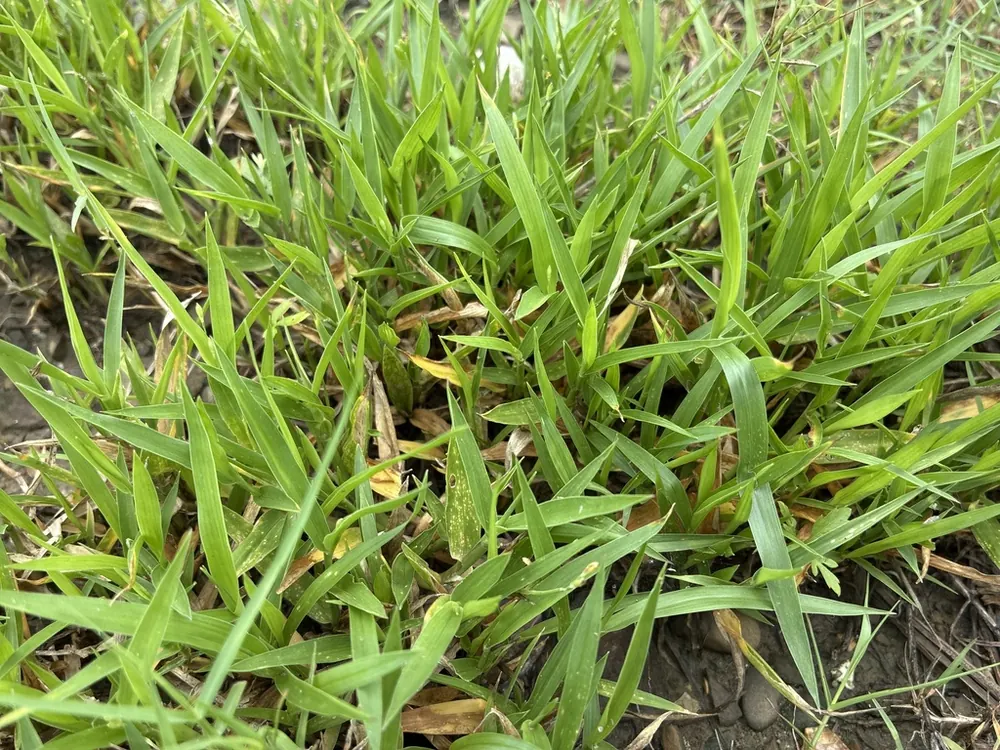
The caterpillars feed on various kinds of grass, family Poaceae. Grass thrives in the open, sunlit spaces around the garden, so the butterfly has plenty of room.
It is not showy, and it does not need to be. Its place in the garden depends on a lawn edge or a patch of tall grass that nobody has mown.
How it lives
Its flight is weak and close to the ground, in short hops between the grass stems. It often settles with its wings closed, so the rings show on the underside.
The eyes are thought to confuse predators. A bird that pecks at an eye-spot hits the edge of a wing, and the butterfly escapes.
Ringlets rarely go far. A patch of grass beside a path may hold the same few butterflies for days, which is why a guide often knows where to look.
Quiet butterflies, and why they matter
Not every butterfly in the garden is bright, and the plain ones do real work. A grass-feeding butterfly like the Argus Ring tells us that the garden has open, sunny patches and some grass that has not been tidied away.
It is also a good one for a beginner. It is slow, it stays in a small area, and its rings make it easy to name once you have seen them.
Look at the rings with care. The number and size of the eyes differ between species of the genus, and that is how they are told apart.
Where to look at Sanggraloka
Look down, at knee height or lower, in the grass beside paths and in sunny clearings. Stand still, and let the small brown shape come to you.
We cannot promise the Argus Ring on a visit. It is wild, small and quiet, and a guide will help you find it if it is about.
Walk the grassy edges slowly, and stop when something small lifts from the ground. Crouch if you can. At that height the rings are easy to see.
Questions about the Argus Ring
What are the rings on its wings?
They are eye-like spots called ocelli. They are thought to draw a predator's attack to the edge of the wing instead of the body, which gives the butterfly a chance to escape.
What does the Argus Ring eat?
The caterpillars eat grasses of the family Poaceae. The adults drink nectar and other fluids at low plants. Both stages stay close to the ground, in sunny, grassy patches of the garden.
Why is it hard to see?
It is small, pale brown and stays low in the grass, so it blends in. Looking down in sunny grassy patches gives the best chance.


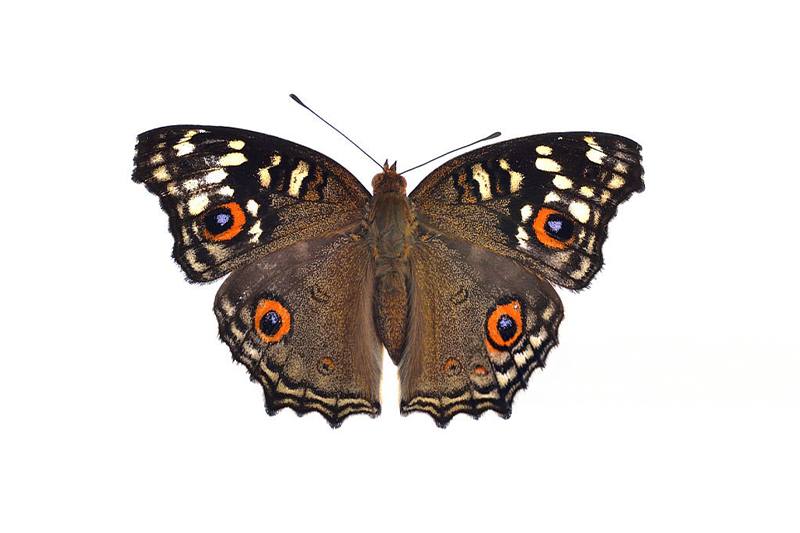 Adult butterfly
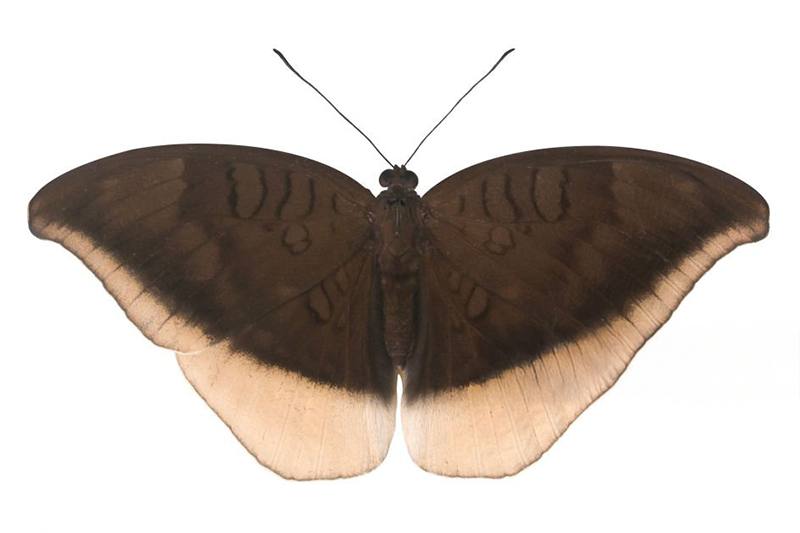 Brush-footed
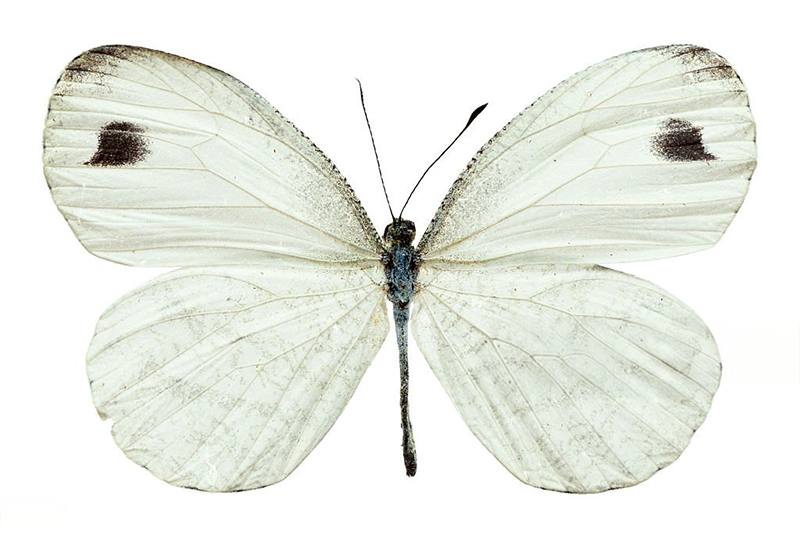 Whites
 Brush-footed