Official activity
Butterfly Conservatorium walk
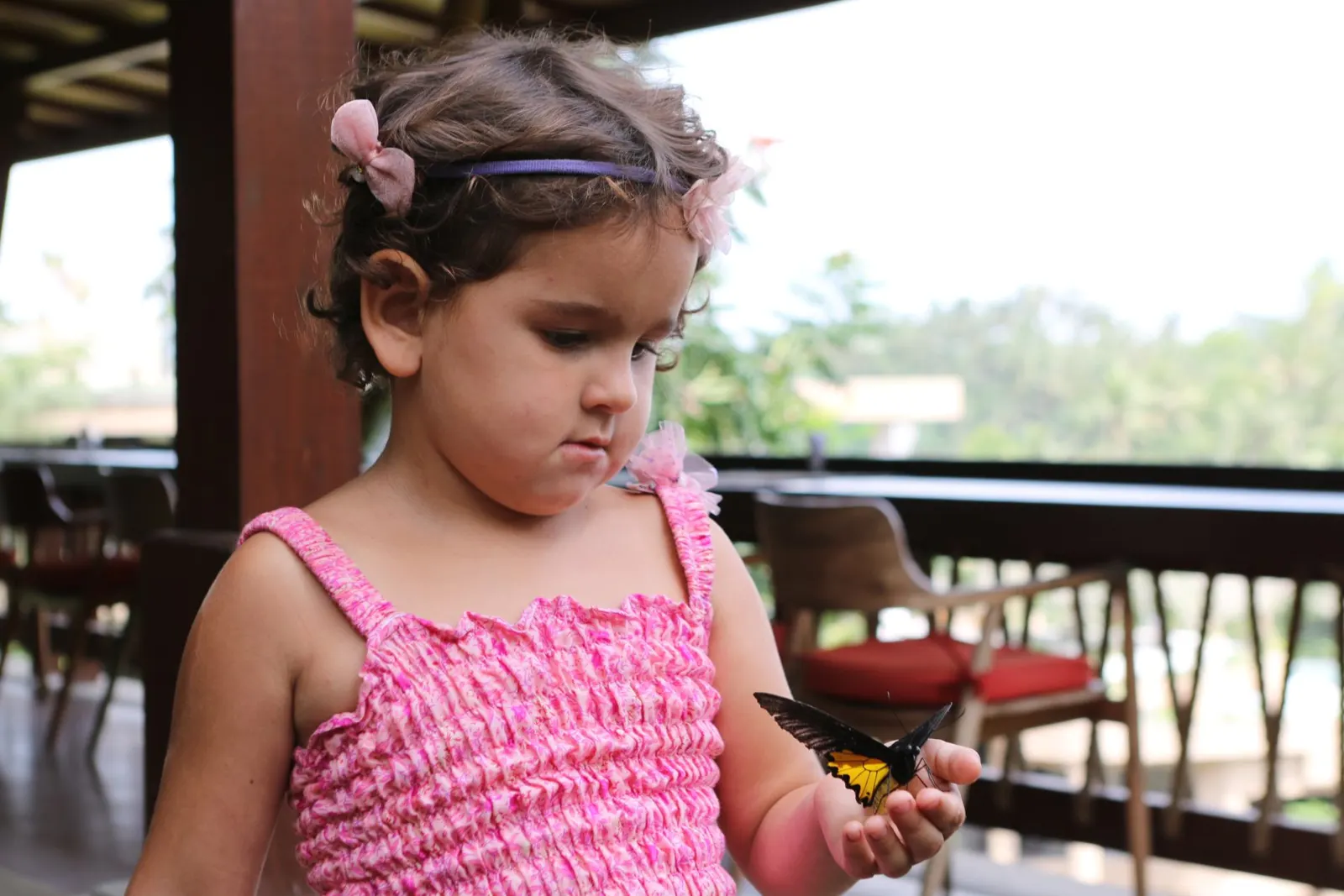
A gentle encounter with butterflies in their habitat, on foot with a guide, open daily.


Bresela · about 25 minutes north of Ubud
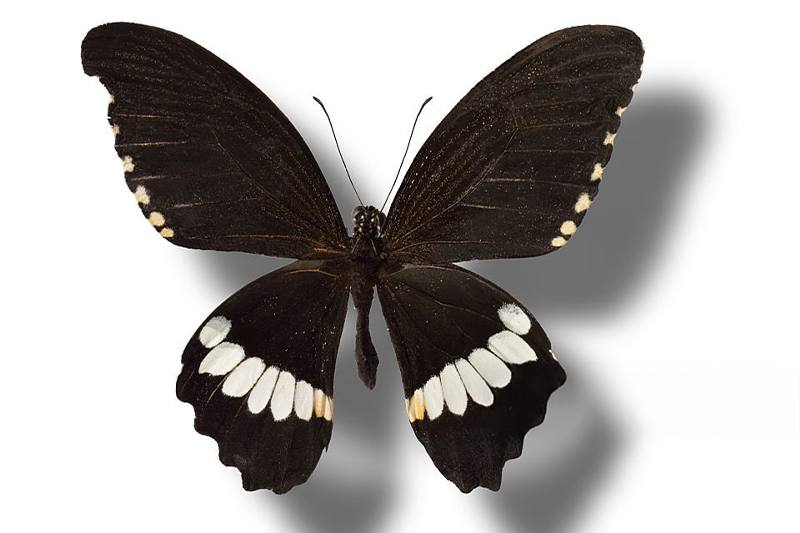
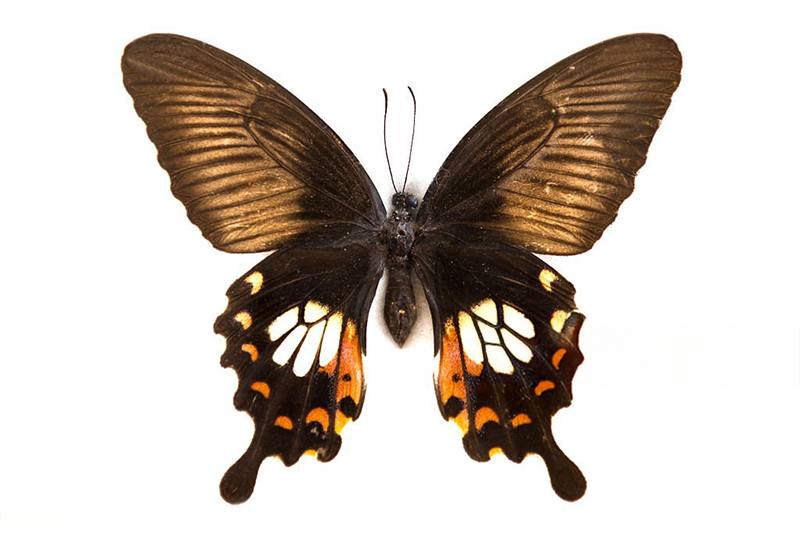
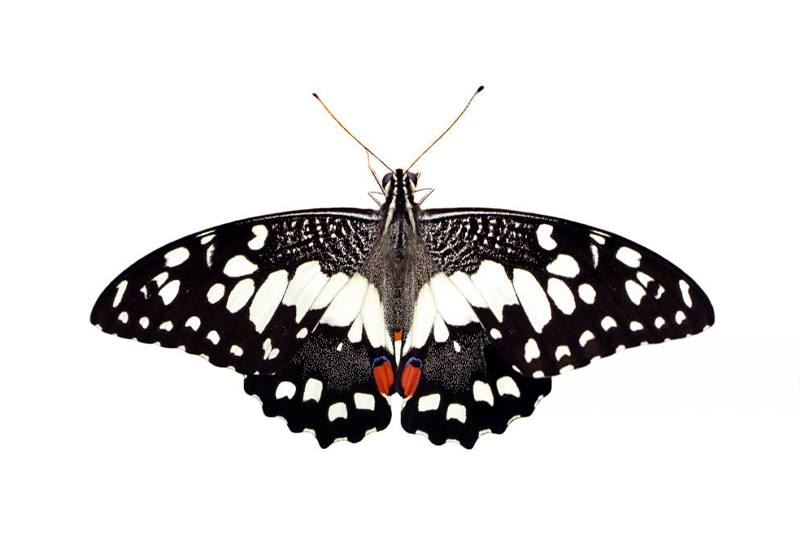
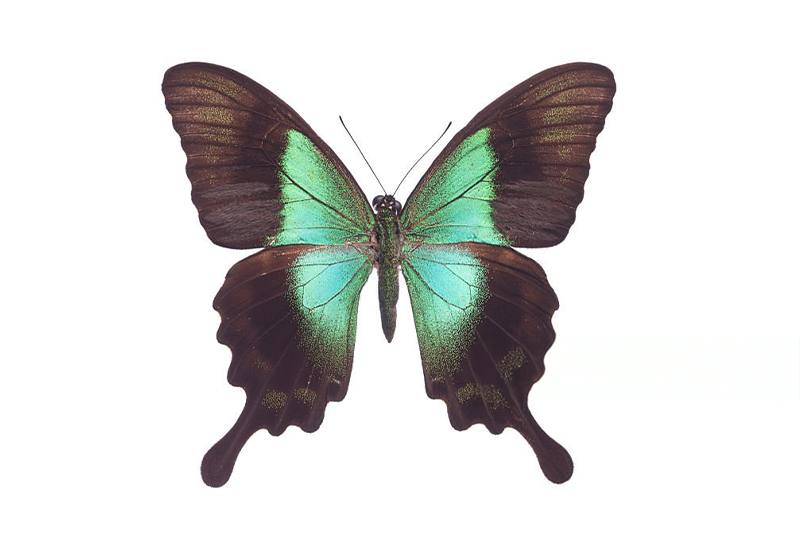
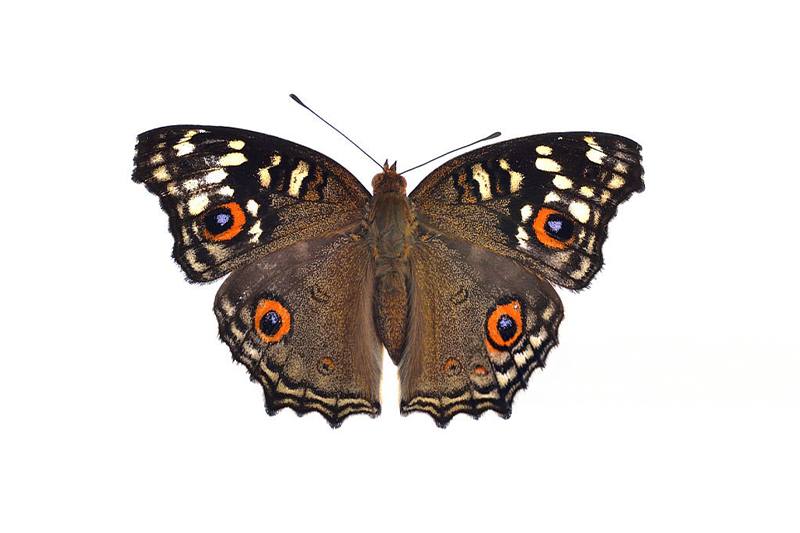
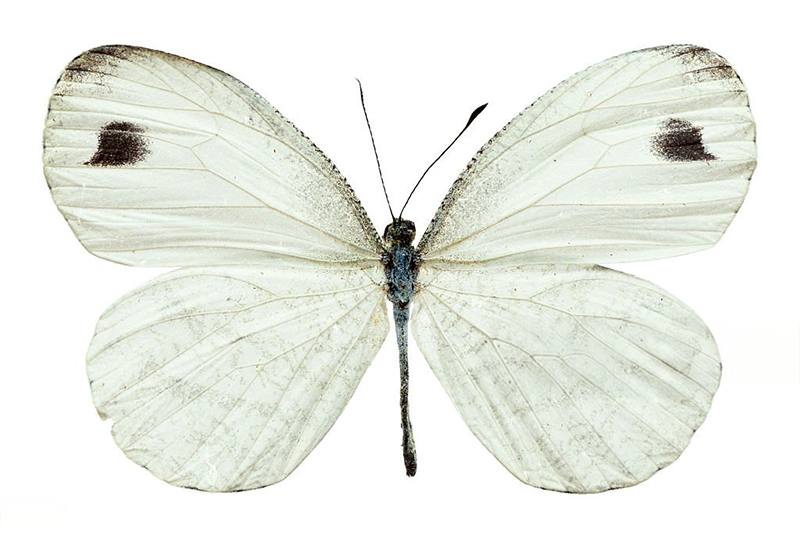
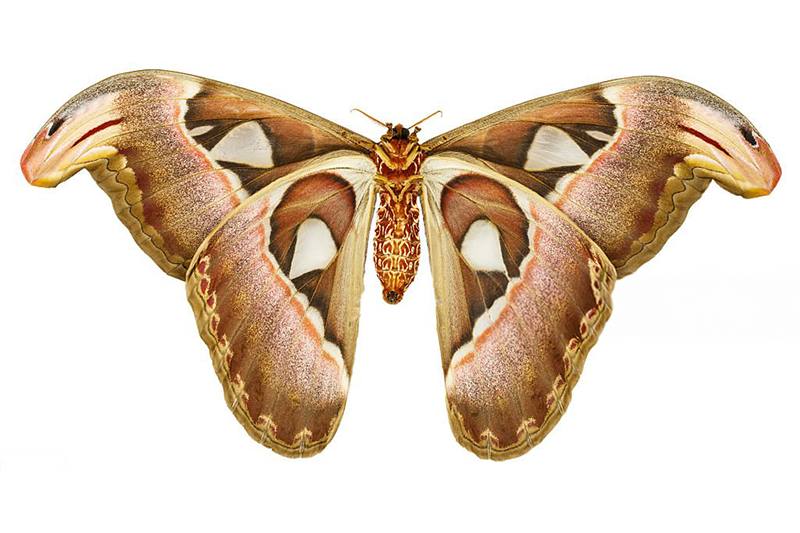
This garden is their home, and we are the guests. It is not a butterfly park: nothing is caged, so who you meet depends on the day. Below are the seventeen we have seen here, each with a page of its own.
The butterflies were here first. We planted the garden for them, and we visit as their guests: on foot, at their pace, on their terms. They arrive on their own, lay their eggs on the plants we grow for them, and leave whenever they wish.
The conservatorium is part of Sanggraloka in Bresela, about 25 minutes north of Ubud. Below, every butterfly and moth we feature has a page of its own.
A short film

How the conservatorium works
There is no net over the conservatorium. This is the butterflies' home and we are the guests; they are wild and free to come and go. We do not keep them; we plant for them, and they choose to stay.
This is not a butterfly park. Nothing is bred for display or released for your visit, so we cannot tell you how many butterflies you will see, or which ones. Some mornings the garden is busy with wings; on others only a few pass through. The seventeen on this page are the ones we have seen here so far, not a promise. The one exception is the Common Birdwing, which now lives here year-round.
Tap a card to read about the species. Names follow current scientific spelling. The Atlas moth is a moth, not a butterfly.
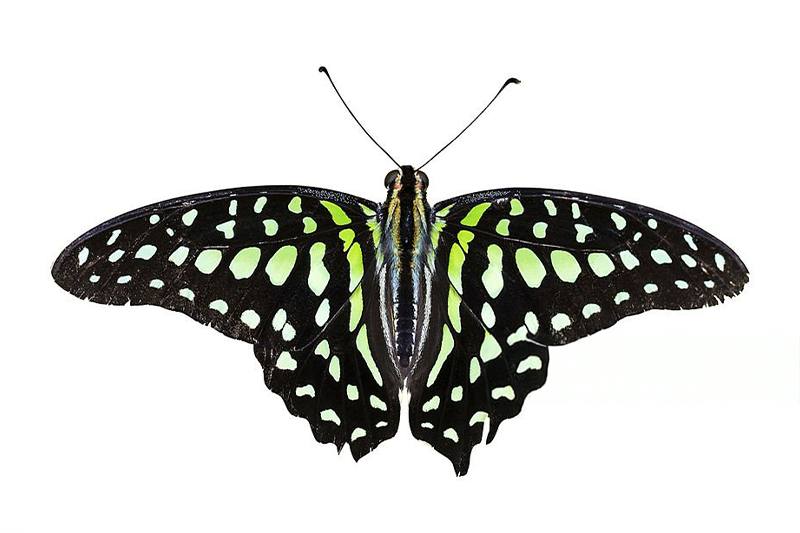
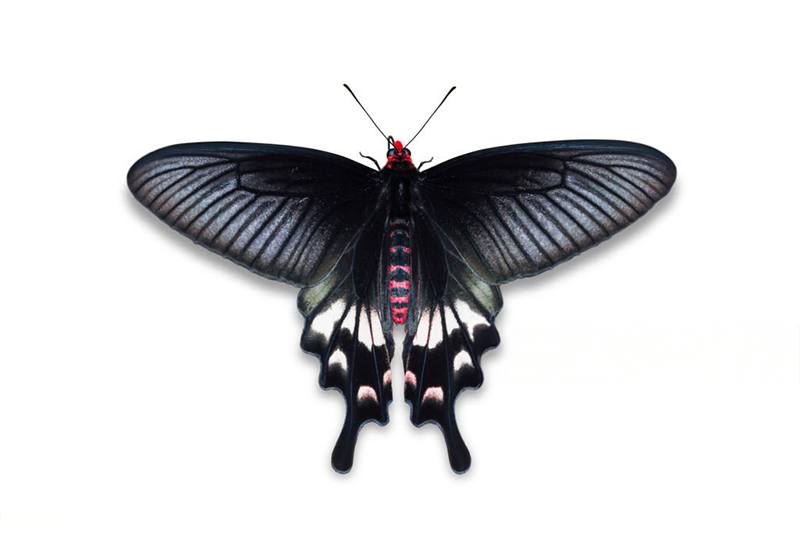
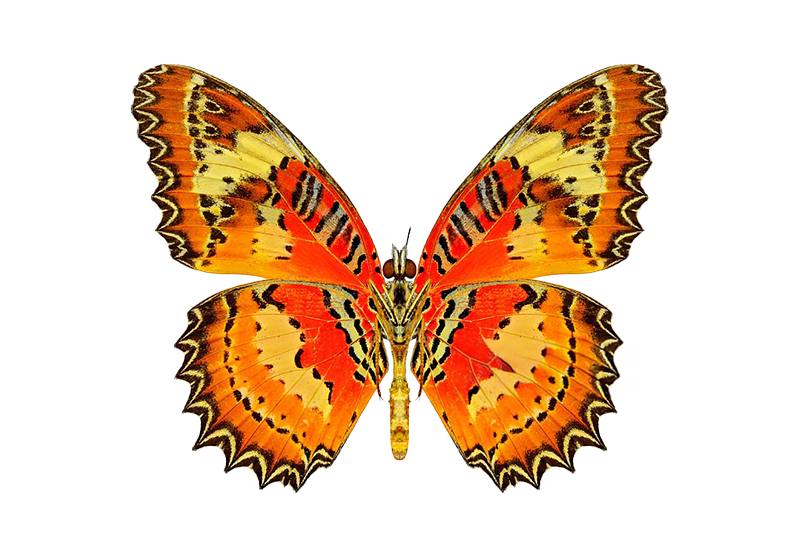
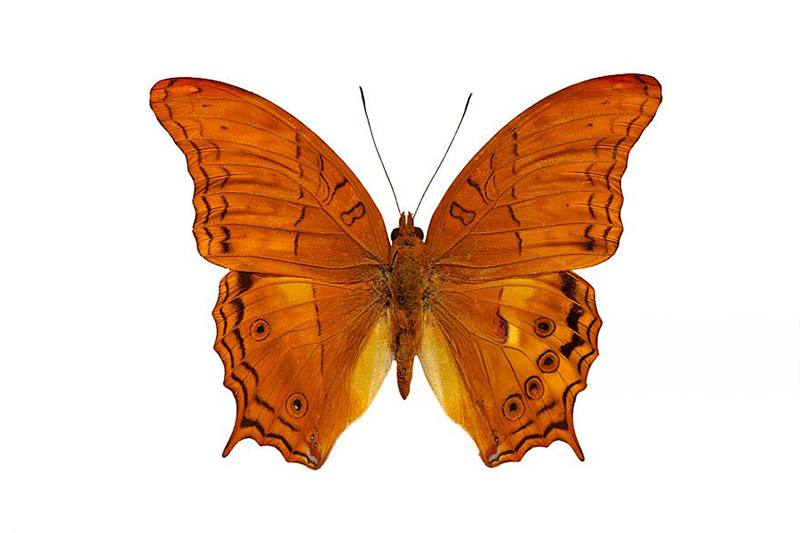
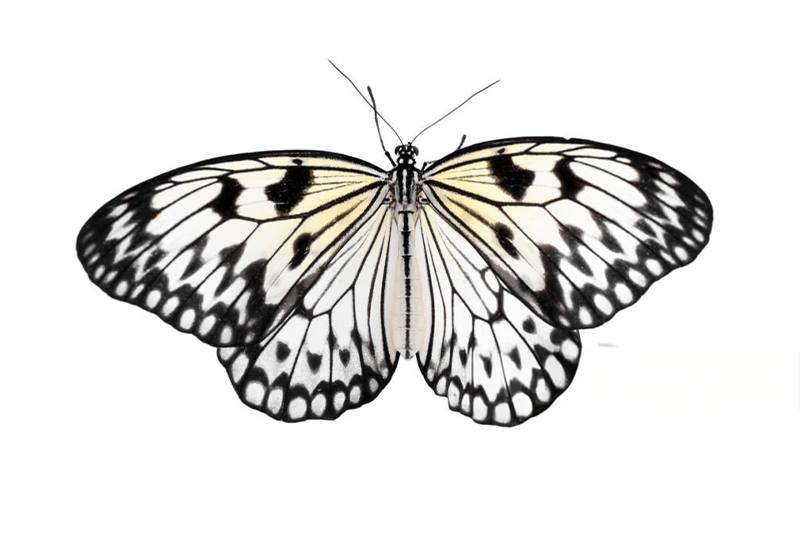
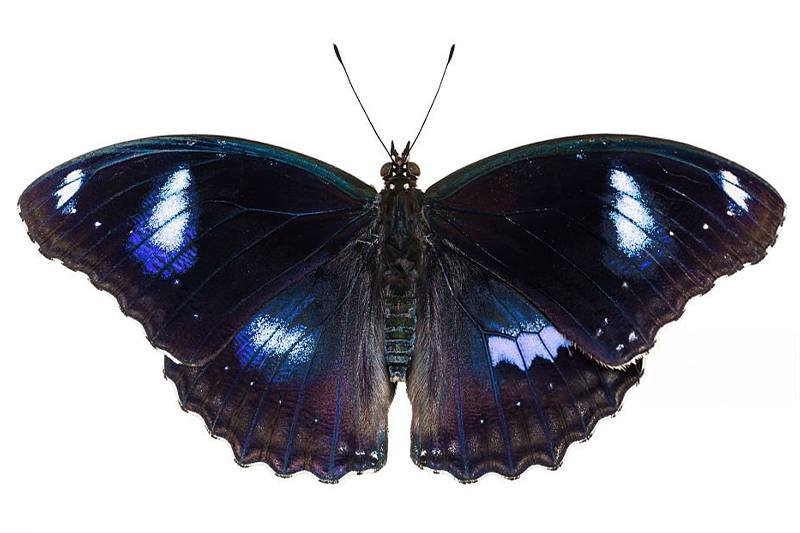
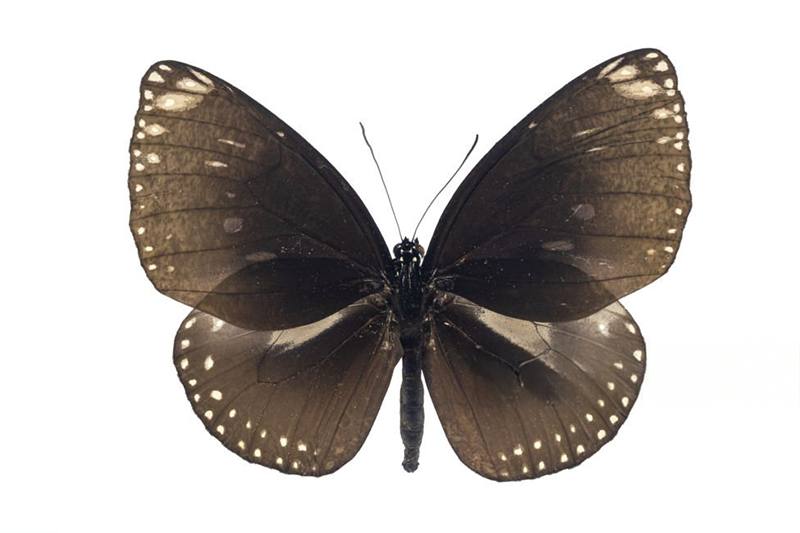
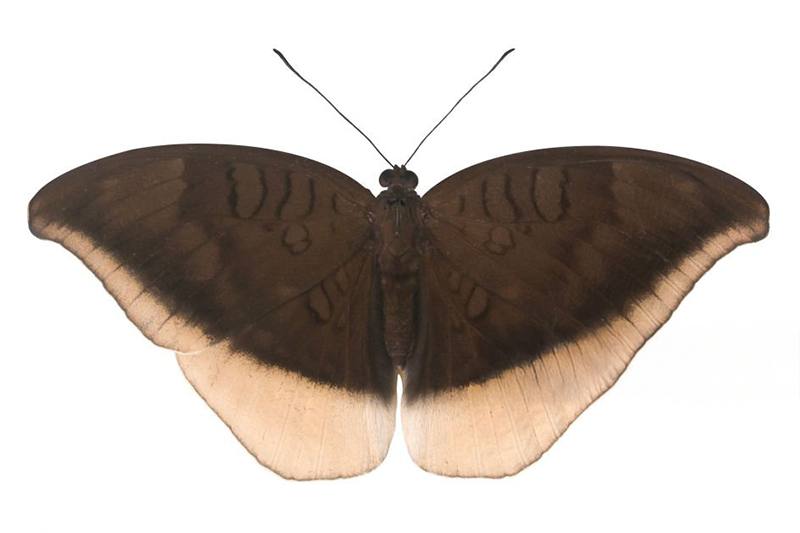
Butterflies cannot be fed from a box or kept in a garden that has nothing for them. They need two kinds of plant, and they need both close together.
You can invite them too. One host plant and one flowering plant on a balcony or in a yard is enough to start: a lime tree in a pot, a passion fruit vine on a fence, a few Lantana or Ixora in the sun.
kaffir lime, lime, pomelo, curry leaf On the farm: Lime, Curry leaf
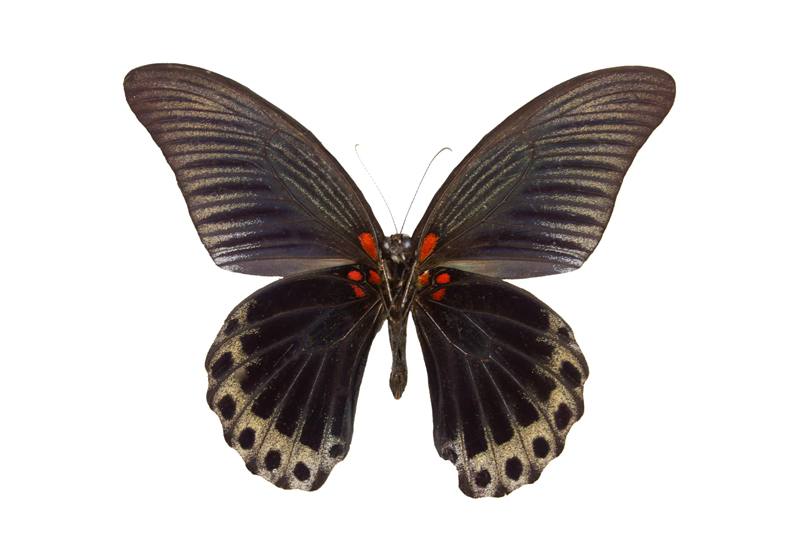
Great Mormon, Common Mormon, Red Helen, Lime Butterfly, Bali's Emerald Butterfly
Aristolochia, left to climb in the wild corners
passion fruit and wild Adenia vines On the farm: Passion fruit
sugar apple, false ashoka, white champaca On the farm: Sugar apple
coconut and garden palms On the farm: Coconut
Cerbera (pong pong) and Aganosma climbers
Cleome, Asystasia and the grasses in sunny open spaces
Many host plants also feed our kitchen: the same kaffir lime and curry leaf that flavour a Balinese dish raise a generation of swallowtails. The Atlas moth is the exception: the adult has no mouth and lives on what it ate as a caterpillar.
An invitation
Butterflies do not keep to the conservatorium. Look for them along the farm rows, among the citrus trees, over the flowers on the path to your room. Slow down, look up, look down. The best sightings are often the ones nobody planned.
Spotted one? Note the colour and the shape of the wings, then find it in the guide below.
From caterpillar to wings
Every butterfly in the garden began here, on a leaf. How long each stage takes depends on the species and the weather; in the warmth of Bali the whole cycle can pass in a matter of weeks.
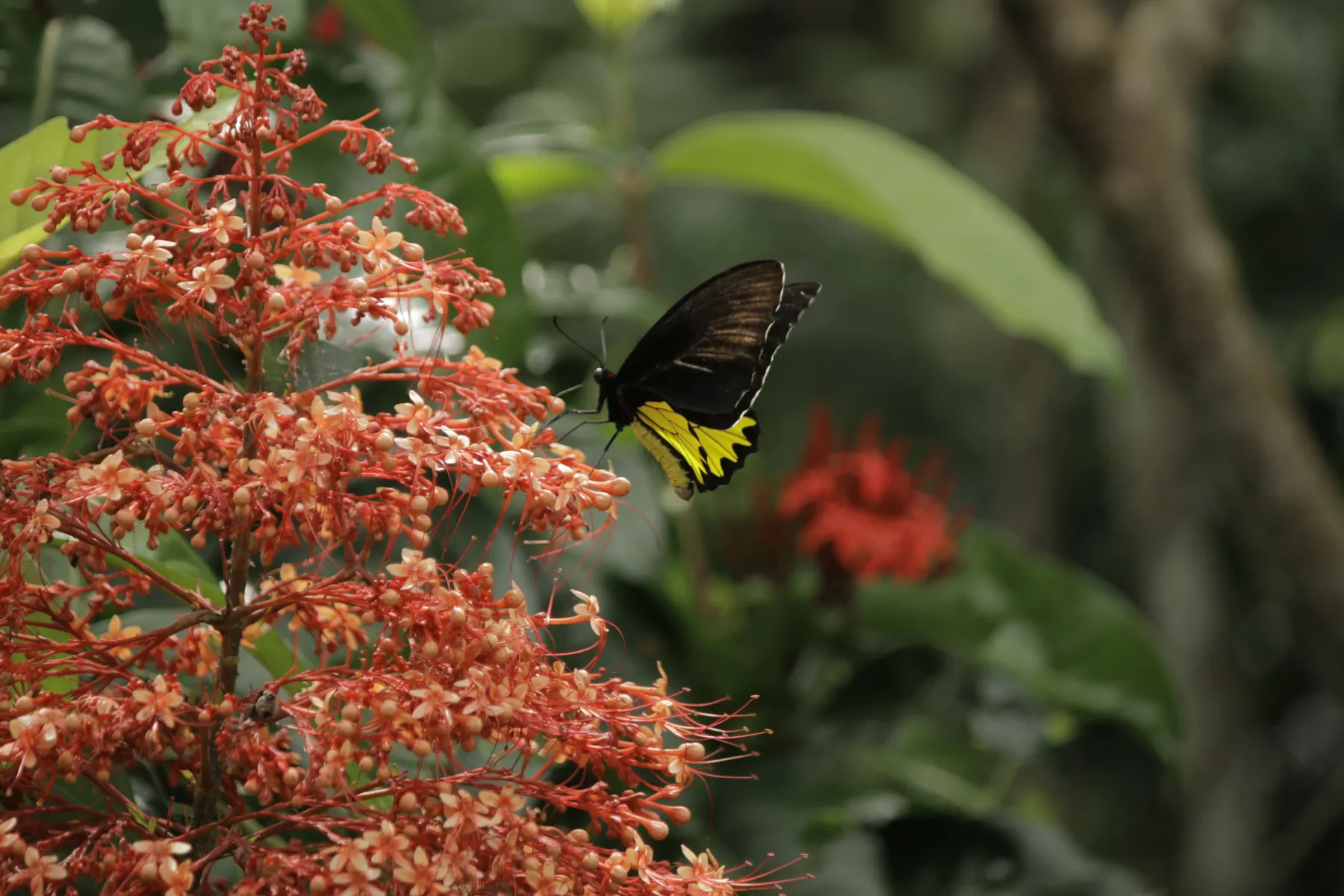
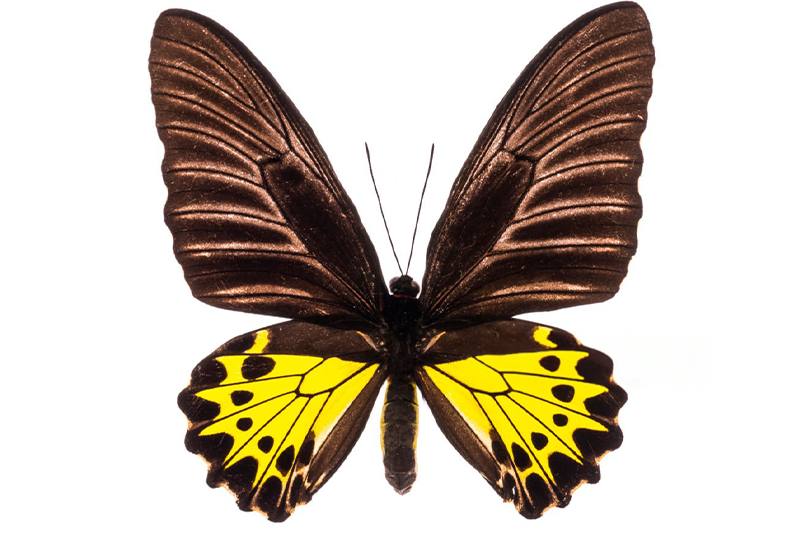
The one you will almost certainly see
Troides helena
The Common Birdwing is our conservation story. We planted the vine its caterpillars need, and it has made the garden its home. Of all the butterflies here, it is the one we can almost promise.
17 cm
Wingspan, at the largest.
A gentle encounter with butterflies in their habitat, on foot with a guide, open daily.
Official farm activities. Days and prices are on the booking page.
Hours, tickets, how long the walk takes and visits for guests not staying with us: ask us on WhatsApp.
Ask us on WhatsApp before you come, and we will tell you how to arrange it.
Every day. Ask us on WhatsApp for the hours.
The pace is slow, so allow time to stop. Ask us on WhatsApp for the usual length.
We cannot say, and that is the point. The butterflies are wild and not caged, so they come and go as they please. This is their home, not a butterfly park, and every visit is different. The Common Birdwing is the one you are almost sure to meet; the rest is up to them.
Yes. In Indonesia the Common Birdwing is a protected species, and one of the largest butterflies in Bali.
The Butterfly Conservatorium is open daily at Sanggraloka, Bresela.